
Key Takeaways
Quick answer
An altcoin is any cryptocurrency other than Bitcoin. A meme coin, in the US SEC staff’s words, is a crypto asset “inspired by internet memes, characters, current events, or trends”. Regulators warn both can be used in pump-and-dump schemes and promoted by paid influencers.
- “Altcoin” is informal shorthand for crypto other than Bitcoin; the CFTC talks about “alternative” virtual currencies.
- The SEC's staff describes meme coins as crypto assets inspired by internet memes, characters, current events or trends, usually with limited or no use.
- In the SEC staff's view, the meme coins it describes are not securities, so buyers are not protected by US securities laws.
- The CFTC and FCA warn that new and thinly traded coins are used in pump-and-dump schemes organised on social media.
- US and EU regulators warn that influencers and celebrities may be paid to promote investments.
What is an altcoin?
“Altcoin” is a casual word, not a legal or technical category. People use it for any cryptocurrency other than Bitcoin. That makes it a huge and mixed group: it includes networks with their own blockchains, such as Ethereum, tokens built on top of other blockchains, stablecoins and meme coins.
The US Commodity Futures Trading Commission (CFTC) uses the phrase “alternative” virtual currencies, in a warning: it advises customers “to avoid pump-and-dump schemes that can occur in thinly traded or new ‘alternative’ virtual currencies and digital coins or tokens.”
Because the label covers so many different things, it tells you almost nothing about a particular coin. Each one has its own rules, its own supply design and its own risks. Our tokenomics guide explains what to check.
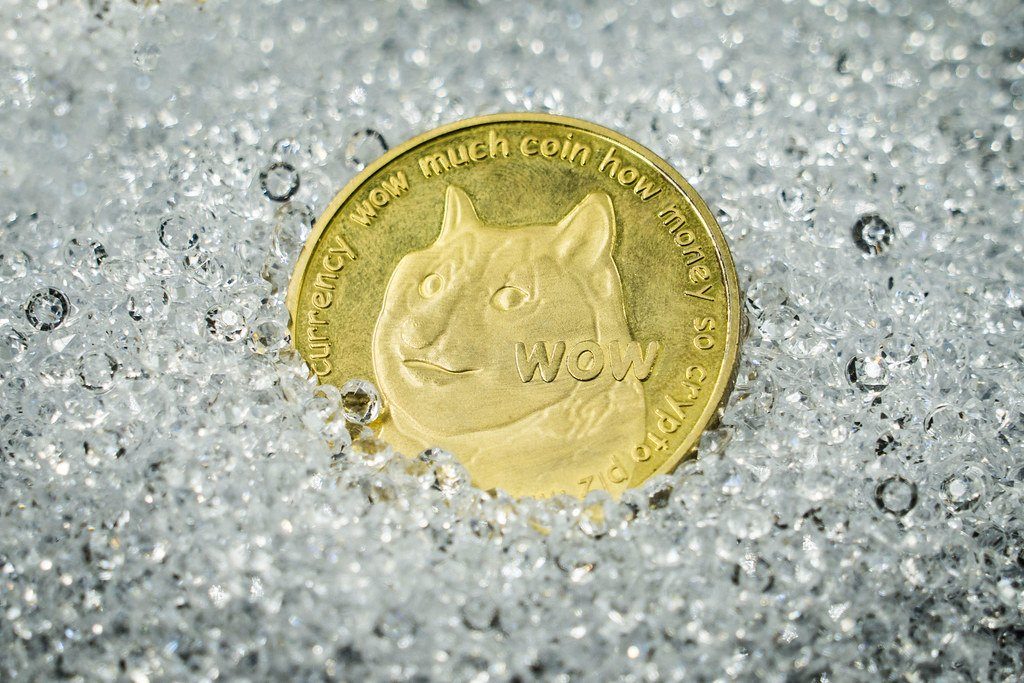
What is a meme coin?
One official definition comes from the US Securities and Exchange Commission (SEC). In a February 2025 statement, its Division of Corporation Finance wrote:
“A ‘meme coin’ is a type of crypto asset inspired by internet memes, characters, current events, or trends for which the promoter seeks to attract an enthusiastic online community to purchase the meme coin and engage in its trading.”
The same statement adds that “Meme coins typically are purchased for entertainment, social interaction, and cultural purposes, and their value is driven primarily by market demand and speculation.” It also says they “typically have limited or no use or functionality”, and that “Given the speculative nature of meme coins, they tend to experience significant market price volatility.”
In other words, by the SEC staff’s own description, the price of a meme coin rests mainly on how many people want to buy it next.
Are meme coins regulated?
In the US, the SEC staff’s view is that transactions in the types of meme coins it describes “do not involve the offer and sale of securities under the federal securities laws.” That has a direct consequence for buyers, which the statement spells out: “Accordingly, neither meme coin purchasers nor holders are protected by the federal securities laws.”
That is not a free pass for fraud. The statement says fraudulent conduct around meme coins “may be subject to enforcement action or prosecution by other federal or state agencies under other federal and state laws.” It is also a staff view about the type of meme coin it describes, not a ruling on every token.
In the UK, the Financial Conduct Authority (FCA) says crypto-assets “are all high risk and speculative as an investment”, and that “It is highly unlikely you will be covered by the Financial Services Compensation Scheme”.
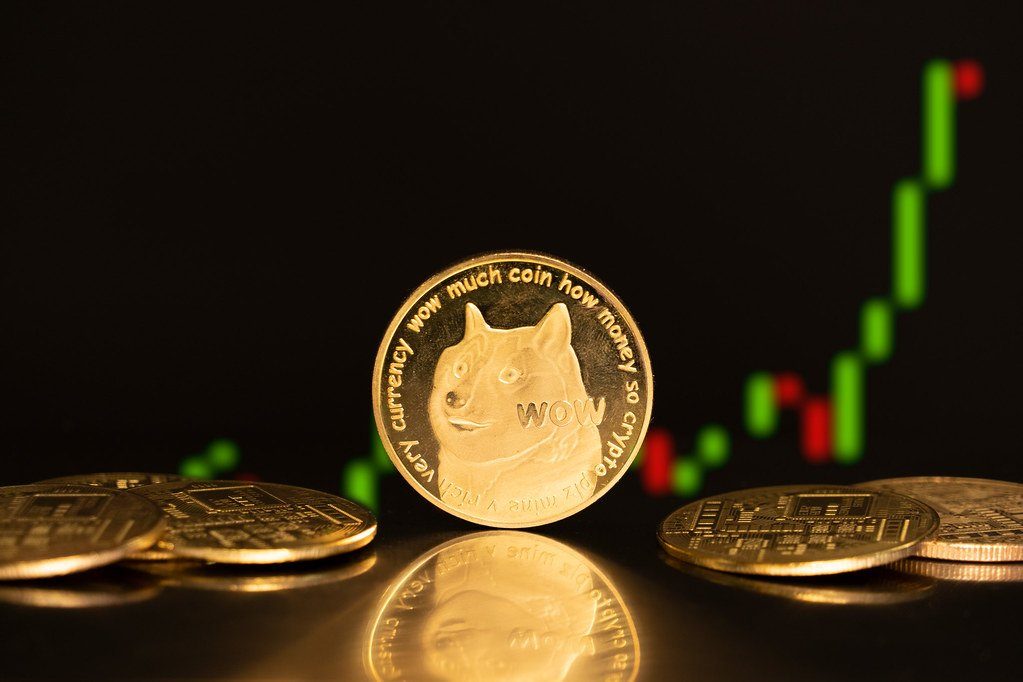
How does a crypto pump-and-dump work?
The FCA calls a pump and dump “a form of market manipulation” and “a two-part act designed to mislead investors and generate profits for the perpetrators at the expense of unsuspecting investors.”
First comes the pump: according to the FCA, promoters “spread false or misleading positive information” about an investment so that people start buying and the price rises. Then comes the dump, which is where others lose: promoters “quickly sell their shares at the inflated price”, and the dump “causes the shares to decrease in price leaving other investors with losses”. It notes the same thing “also happens in the crypto world, where new coins or tokens can attract attention almost overnight through viral content, memes, along with the big and fast price changes that are common in crypto markets.”
According to the CFTC, today’s pump-and-dumpers “organize anonymously and hype the currencies and tokens using social media”, and “Some of these pump-and-dump groups and chat rooms contain thousands of members.”
Illustrative arithmetic: suppose a coin is pushed from $0.010 to $0.030 and you buy at $0.025. If the price falls back to $0.010 after the dump, your loss is (0.010 − 0.025) ÷ 0.025 = −60%. These prices are invented to show the mechanics.
Why do regulators warn about influencers and celebrities?
Because promotion can be paid, and popularity can be faked. The SEC’s investor education office warns: “Fraudsters sometimes pay people – for example, actors to pose as ordinary people turned millionaires, social media influencers, and celebrities – to tout an investment on social media.” It adds that “Social media may convey false impressions of consensus or legitimacy, making it look like large numbers of people are buying an investment when this is not the case.”
EU supervisors say the same about crypto specifically: “Be alert to the risks of such advertisements, especially on social media where influencers can be incentivised to advertise certain crypto-assets.” In October 2025 they linked rising consumer interest partly to “aggressive promotion on social media by finfluencers”.
And on celebrities, the SEC has a short rule of thumb: “It is never a good idea to make an investment decision just because someone famous says a product or service is a good investment.” The FCA adds that adverts may appear to show a trusted expert, influencer or TV personality endorsing an investment.
What are the warning signs of a meme coin or altcoin scheme?
These come straight from regulator guidance:
- A tip from social media. The CFTC says: “Don’t purchase digital coins or tokens because of a single tip, especially if it comes over social media.”
- A group chat of strangers. The FCA warns about being added to a chat “filled with people you’ve never met”, focused on “hot tips” or pressure to buy.
- A sudden, unexplained jump. The FCA: “A rapid and dramatic increase in the price of an investment, especially without news from reliable sources, reports, or major announcements to explain the increase is a huge red flag.”
- Promises of quick wealth. The CFTC: “Don’t believe ads or websites that promise quick wealth by investing in certain digital coins or tokens.”
- Promises of no risk. The CFTC: “There is no such thing as a guaranteed investment or trading strategy. If someone tells you there is no risk of losing money, do not invest.”
The CFTC also warns against joining in: “Do not participate in pump-and-dump trades; market manipulation is against the law and many participants end up losing money.” See our full list of crypto scam red flags.
What are the risks of buying altcoins or meme coins?
- Extreme price swings. EU supervisors say crypto prices “can fall and rise quickly over short periods of time”, and “You may lose a lot, or even all, of the money invested.” The SEC staff says meme coins in particular “tend to experience significant market price volatility”.
- Total loss. The FCA says that if you invest in crypto “you should be prepared to lose all your money”.
- No US securities-law protection for the meme coins the SEC staff describes, and little compensation cover in the UK.
- Manipulation. New and thinly traded coins are the ones the CFTC names as pump-and-dump targets.
- Paid promotion. What looks like enthusiasm may be advertising.
Our crypto risks guide covers the wider picture.
Blockhorizon is an education site. We do not recommend, rate or rank any altcoin or meme coin, and nothing here is advice to buy, sell or hold one.
Frequently asked questions
Is Ethereum an altcoin?
By the casual definition — any crypto other than Bitcoin — yes. The label says nothing about quality or risk; it only means “not Bitcoin”.
Are meme coins illegal?
Not in themselves. The SEC staff’s view is that the meme coins it describes are not securities, but fraud around them can still be pursued by other federal or state agencies. Market manipulation such as pump-and-dump trading is against the law, according to the CFTC.
Should I trust a coin because a celebrity promotes it?
No. The SEC says a celebrity endorsement does not mean an investment is legitimate, and warns that fraudsters sometimes pay celebrities and influencers to promote investments.
Which altcoins does Blockhorizon recommend?
None. We explain how crypto works and what regulators warn about. We do not pick, rate or rank coins.
Article Sources
8 sources
Blockhorizon checks every figure, date and quotation against primary sources: regulators, statistics bodies and original technical documents. Read our editorial policy.
- SEC Division of Corporation Finance, Staff Statement on Meme Coins (27 Feb 2025) — sec.gov (accessed 2026-10-02)
- CFTC, Customer Advisory: Beware Virtual Currency Pump-and-Dump Schemes (Feb 2018) — cftc.gov (accessed 2026-10-02)
- UK Financial Conduct Authority, Pump and dump schemes (updated Dec 2025) — fca.org.uk (accessed 2026-10-02)
- SEC Investor.gov, Social Media and Investment Fraud – Investor Alert (Aug 2022) — investor.gov (accessed 2026-10-02)
- SEC Investor.gov, Investor Alert: Celebrity Endorsements (Nov 2017) — investor.gov (accessed 2026-10-02)
- EBA, ESMA & EIOPA, Joint warning on crypto-assets (2025) — eiopa.europa.eu (accessed 2026-10-02)
- ESMA, EU Supervisory Authorities warn consumers of risks and limited protection for certain crypto-assets and providers (6 Oct 2025) — esma.europa.eu (accessed 2026-10-02)
- UK Financial Conduct Authority, Crypto: the basics (updated Jan 2026) — fca.org.uk (accessed 2026-10-02)