
What will you understand after this course?
Crypto basics answers the questions that come before any purchase: what a blockchain is, where new bitcoins come from, what a wallet actually stores and what an exchange does with your coins. The lessons describe the system from its own documents, including the Bitcoin whitepaper, the Bitcoin Core source code and NIST’s technical overview, rather than from marketing claims.
Which lesson should you read first?
- What is Bitcoin? — the shared ledger, blocks, and why nobody can simply edit the record.
- Crypto wallets and private keys — the most important idea for keeping what you own.
- What is a crypto exchange? — what changes when a company holds the keys for you.
- The risks of crypto, in regulators’ words — read this before you put money anywhere.
- Then the supply topics, in any order: mining, the halving, tokenomics and altcoins and meme coins.
What are the key ideas and risks to keep in mind?
- A ledger, not a vault. The whitepaper describes Bitcoin as a peer-to-peer system in which payments are recorded in a chain of blocks secured by proof of work. Your “balance” is an entry on that shared record.
- Keys decide ownership. The SEC’s custody bulletin explains that a wallet holds the keys needed to authorise transactions, not the assets themselves. With self-custody you protect those keys; with a third-party custodian, a hack, shutdown or bankruptcy at the provider can put your assets at risk.
- Hot or cold. The same bulletin notes that internet-connected wallets are convenient but more exposed to attack, while offline wallets are harder to hack but can be lost, damaged or stolen.
- Supply rules are not price promises. A fixed issuance schedule tells you how many coins will exist, not what anyone will pay for them.
When these ideas feel familiar, continue to Crypto trading basics, or look up a word in the dictionary.
Lessons
8 guides
 Crypto basicsWhat is Bitcoin?Where Bitcoin came from, how it works step by step, and the risks regulators warn about.


 Crypto basicsThe risks of crypto, in regulators’ wordsVolatility, total loss, protection gaps and scams, quoted from the regulators.
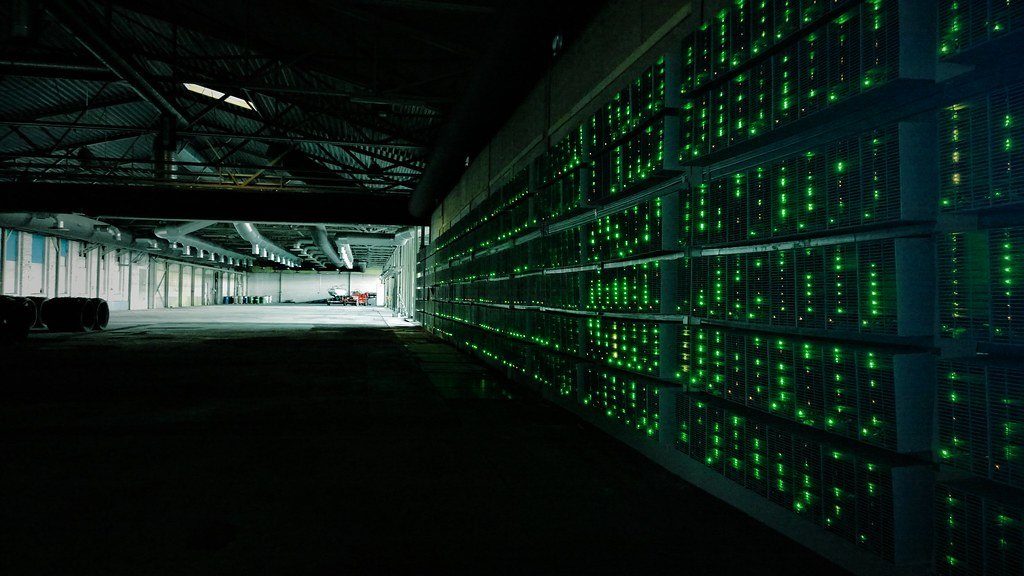 Crypto basicsWhat is the Bitcoin halving?Why Bitcoin's block reward halves every 210,000 blocks, with the full schedule from the code.
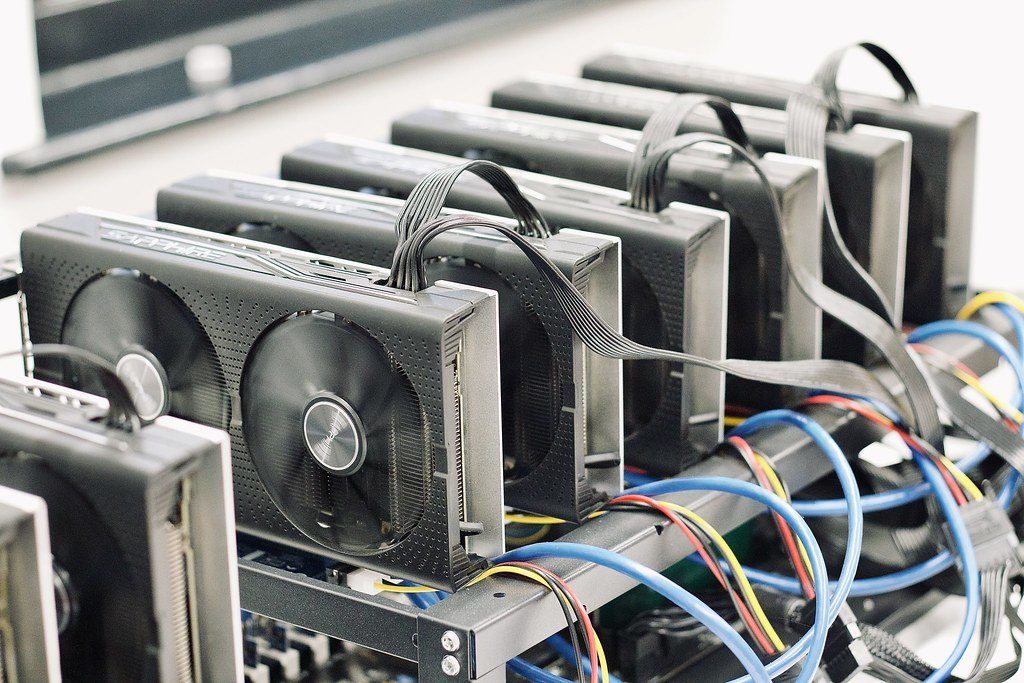 Crypto basicsWhat is crypto mining?The proof-of-work race behind Bitcoin: puzzles, hardware, pools, power use and mining scams.
 Crypto basicsWhat is tokenomics?Supply caps, issuance, burning, allocation, vesting and unlocks — what to check and why.
 Crypto basicsWhat are altcoins and meme coins?What the terms mean, and the pump-and-dump and influencer warnings regulators keep repeating.


Article Sources
3 sources
Blockhorizon checks every figure, date and quotation against primary sources: regulators, statistics bodies and original technical documents. Read our editorial policy.
- Satoshi Nakamoto, “Bitcoin: A Peer-to-Peer Electronic Cash System” (whitepaper) — bitcoin.org (accessed 2026-10-13)
- NIST IR 8202, Blockchain Technology Overview (2018) — nvlpubs.nist.gov (accessed 2026-10-13)
- SEC Investor.gov — Crypto Asset Custody Basics for Retail Investors (Investor Bulletin) — investor.gov (accessed 2026-10-13)