
What is covered in DeFi & Web3?
DeFi, short for decentralised finance, is the name for financial apps built from smart contracts on blockchains such as Ethereum: exchanges, lending, staking and more, used directly from your own wallet. ethereum.org presents DeFi as an open alternative to traditional finance; this course explains the mechanics behind it and the risks that promotional material tends to leave out. It also covers neighbouring Web3 ideas: NFTs, bridges between blockchains and DAOs.
What is the best reading order?
- Decentralised exchanges (DEXs) — how a swap works without a company in the middle.
- Liquidity pools and AMMs — where a DEX’s prices come from, and what liquidity providers put at risk.
- Crypto staking — locking tokens to help secure a proof-of-stake network, with its lock-up and penalty risks.
- Crypto bridges — moving tokens between chains, one of the most frequently attacked parts of the system.
- NFTs and DAOs — on-chain ownership records and on-chain voting, in either order.
If you have not read it yet, start with wallets and private keys: almost every DeFi action is a transaction you sign yourself.
What risks does DeFi add?
- Code risk. ethereum.org’s own guide to bridges lists smart-contract bugs, software failures and user error among the ways funds can be lost, and the same applies to any DeFi app.
- Operator risk. Some services described as decentralised still depend on a small group of operators who could block transfers or misuse funds; the bridges guide calls this out for trusted bridges.
- Theft and fraud. The US Treasury’s April 2023 illicit-finance risk assessment of DeFi describes thefts that exploit smart-contract flaws and scams such as rug pulls.
- No one to call. When you sign a transaction yourself there is usually no company that can reverse it.
Terms such as gas fee, slippage and rug pull are explained in the dictionary.
Lessons
6 guides


 DeFi & Web3Decentralised exchanges (DEXs) explainedSwapping tokens from your own wallet: how DEX prices work, what slippage and sandwich attacks are, and the risks.
 DeFi & Web3Liquidity pools and AMMs explainedThe x·y=k formula with worked numbers, what liquidity providers earn, and how impermanent loss works.
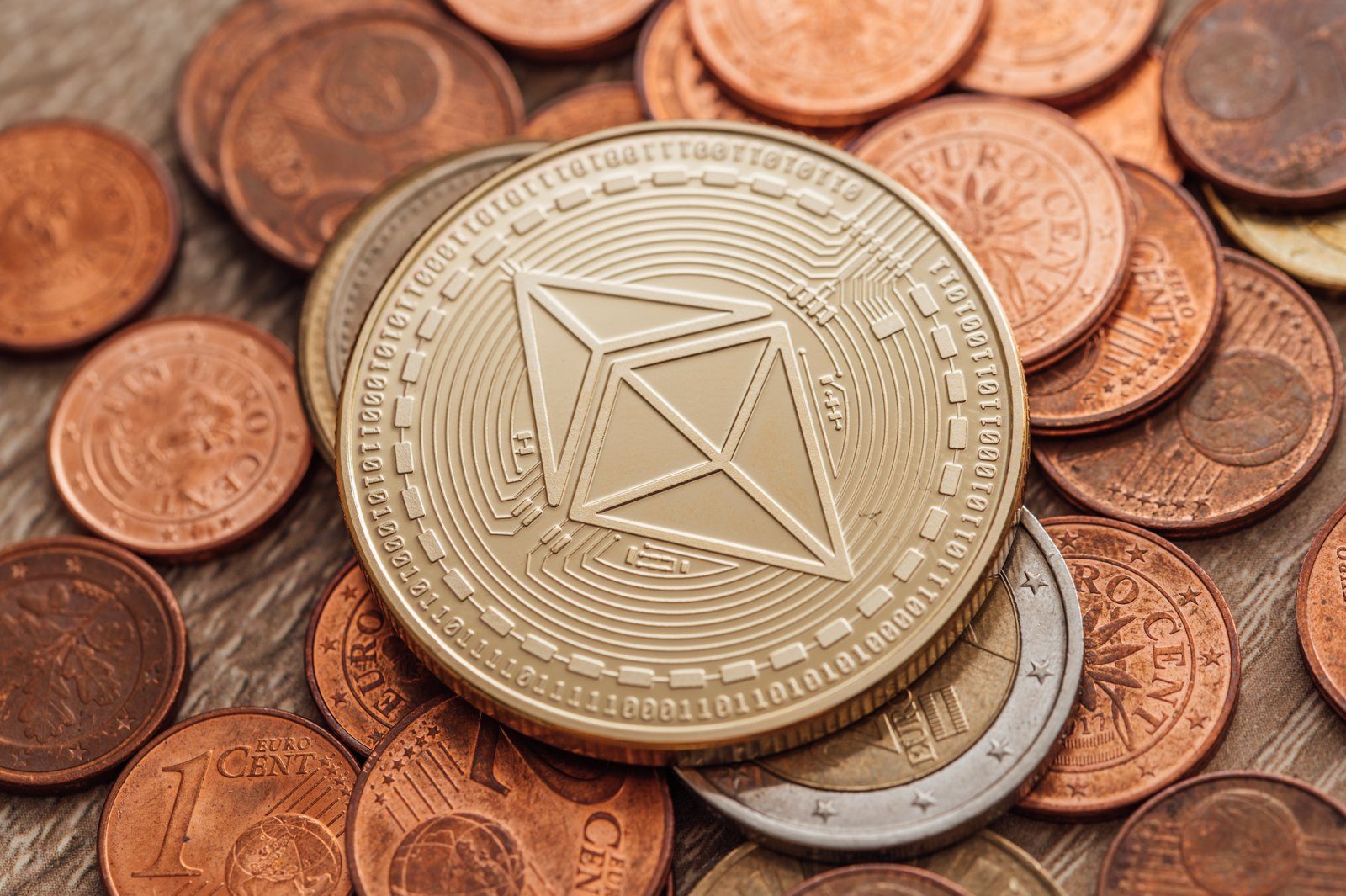 DeFi & Web3Crypto staking explainedProof of stake, staking yourself vs through an exchange, slashing, lock-ups and what regulators say.
 DeFi & Web3What are NFTs?Unique tokens on a blockchain — what you actually own, and the scams to watch for.

 DeFi & Web3What is a crypto bridge?How tokens move between blockchains — and why bridges are a favourite target for thieves.
 DeFi & Web3What is a DAO?Organisations run by smart contracts and member votes — and why a DAO label is not a legal shield.


Article Sources
3 sources
Blockhorizon checks every figure, date and quotation against primary sources: regulators, statistics bodies and original technical documents. Read our editorial policy.
- ethereum.org — What is DeFi? — ethereum.org (accessed 2026-10-13)
- ethereum.org — Introduction to blockchain bridges — ethereum.org (accessed 2026-10-13)
- US Department of the Treasury — Illicit Finance Risk Assessment of Decentralized Finance (Apr 2023) — home.treasury.gov (accessed 2026-10-13)