Safety news
Exchange failures, hacks, scams and new rules — what happened and what it means for your own accounts.
RansomwareHelp case: recovery firm accused of paying hackers
An FBI sting led to wire fraud charges against RansomwareHelp's co-founder. How the alleged bitcoin markup worked and the red flags to check.
Ledger reseller spyware: how a seed phrase can leak
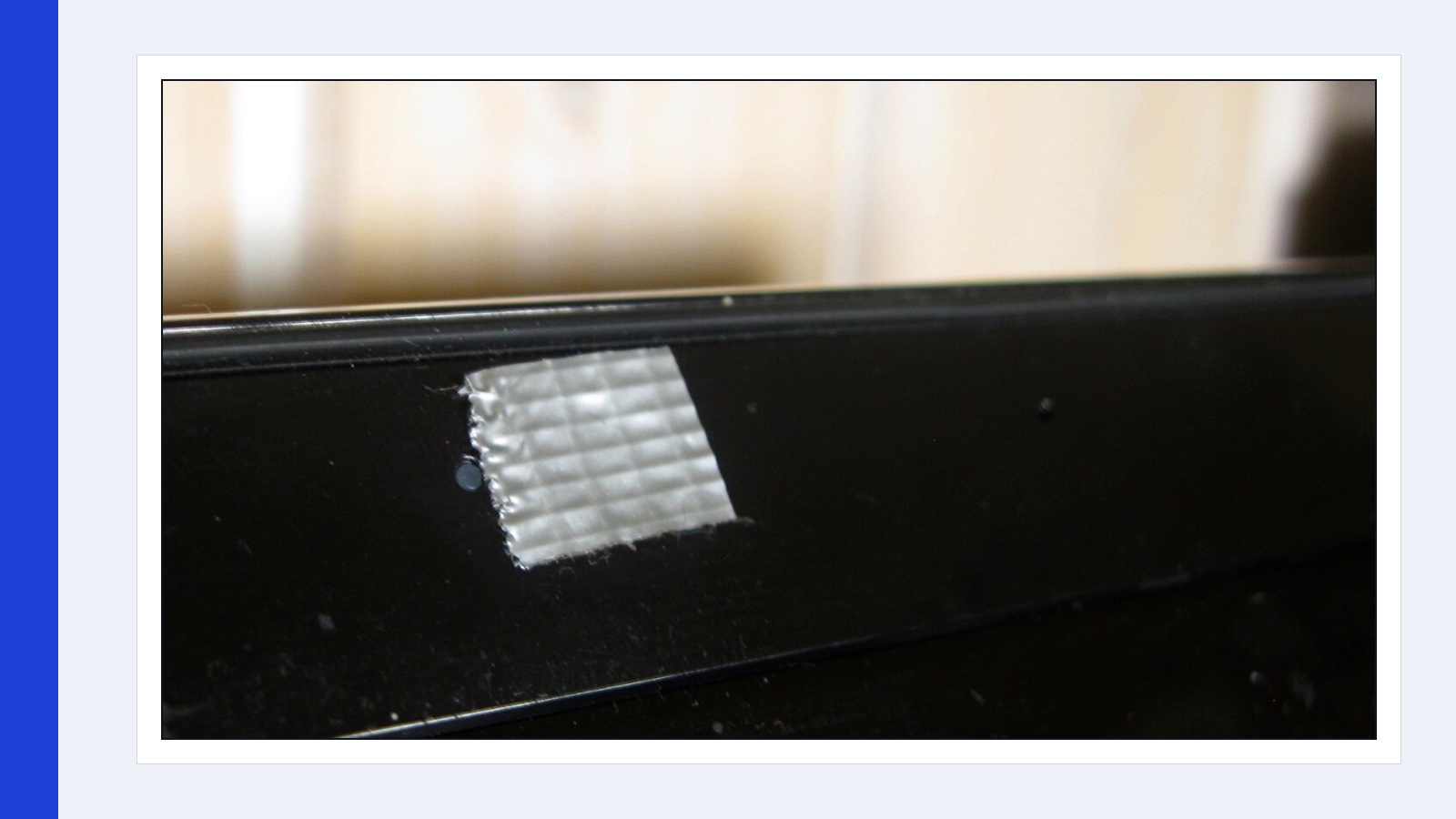
Ledger owners who bought wallets in Dubai and Germany report $1 million drained. How suspected spyware leaks a seed phrase, and checks for your own device.
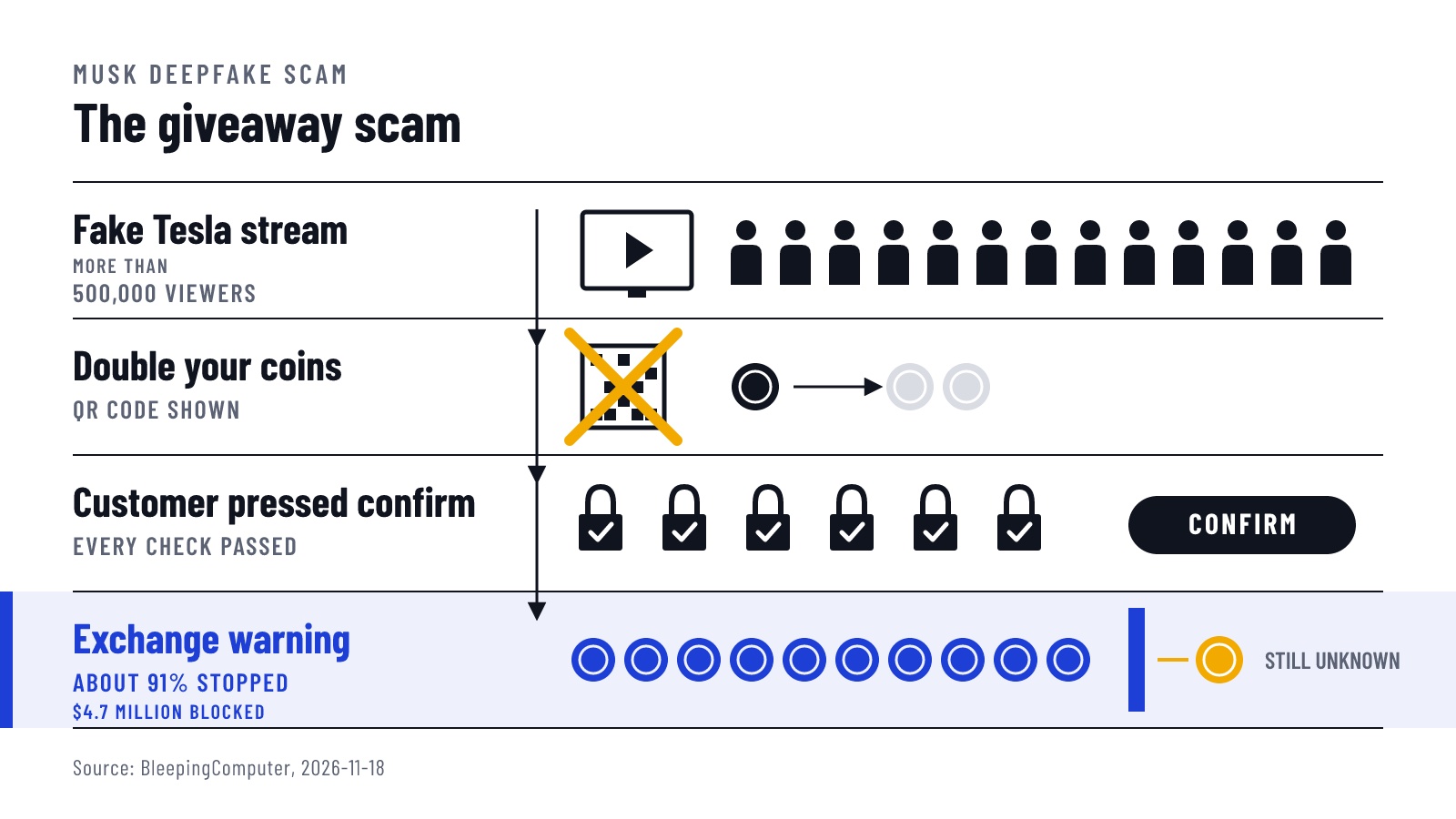
Musk deepfake crypto scam: Coinbase blocks $4.7 million
A fake Musk livestream promised to double crypto. Coinbase says it blocked $4.7 million. How the scam works and what to check before you press confirm.
Shatner's fake charity memecoin: how the scam works
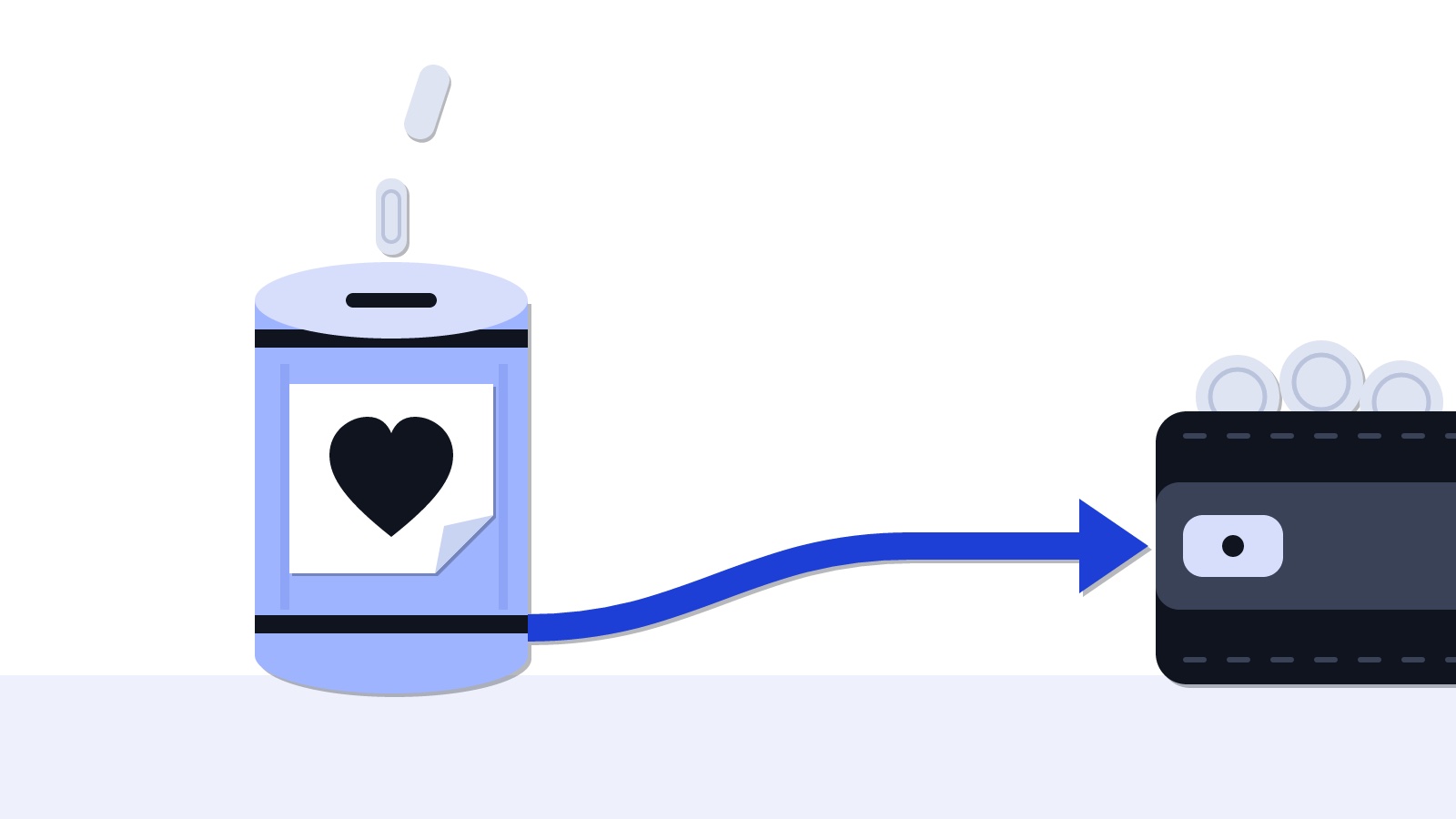
William Shatner says a Star Trek charity memecoin on Pump Fun used his name without consent. How these tokens work and how to spot one.
Garuda DeFi hacked five times: the wallet approval risk
Garuda DeFi reported five exploits between October 20 and 31, including fake wallet approval pop-ups. What went wrong and how to check what you sign.
FaceStealer crypto scam: how fake video calls steal coins
US agencies disrupted FaceStealer, a North Korean fake-meeting scam blamed for over $400 million in crypto theft. How it worked and how to spot it.
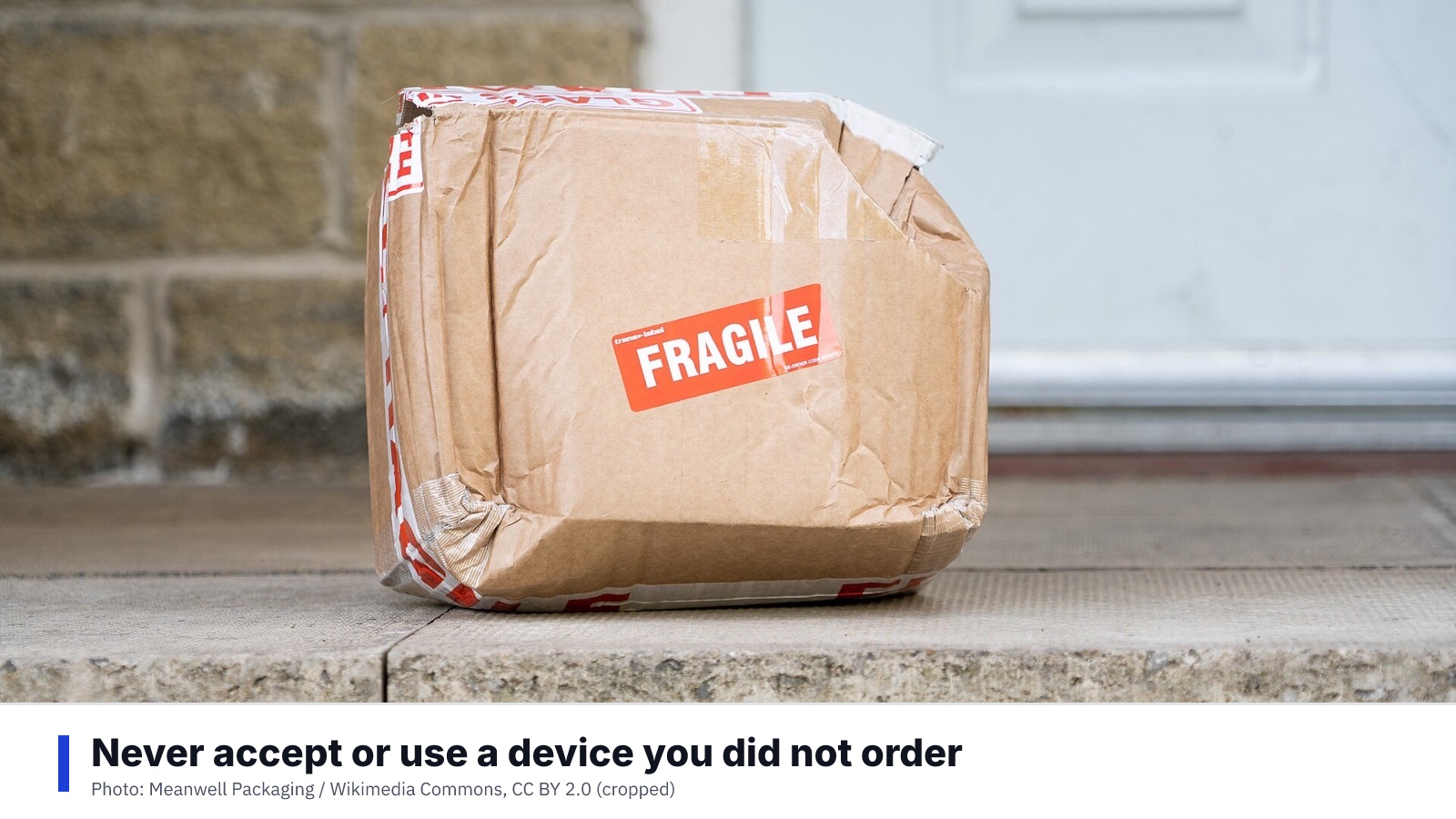
Is a cold wallet safe? Trezor's reseller spy chips
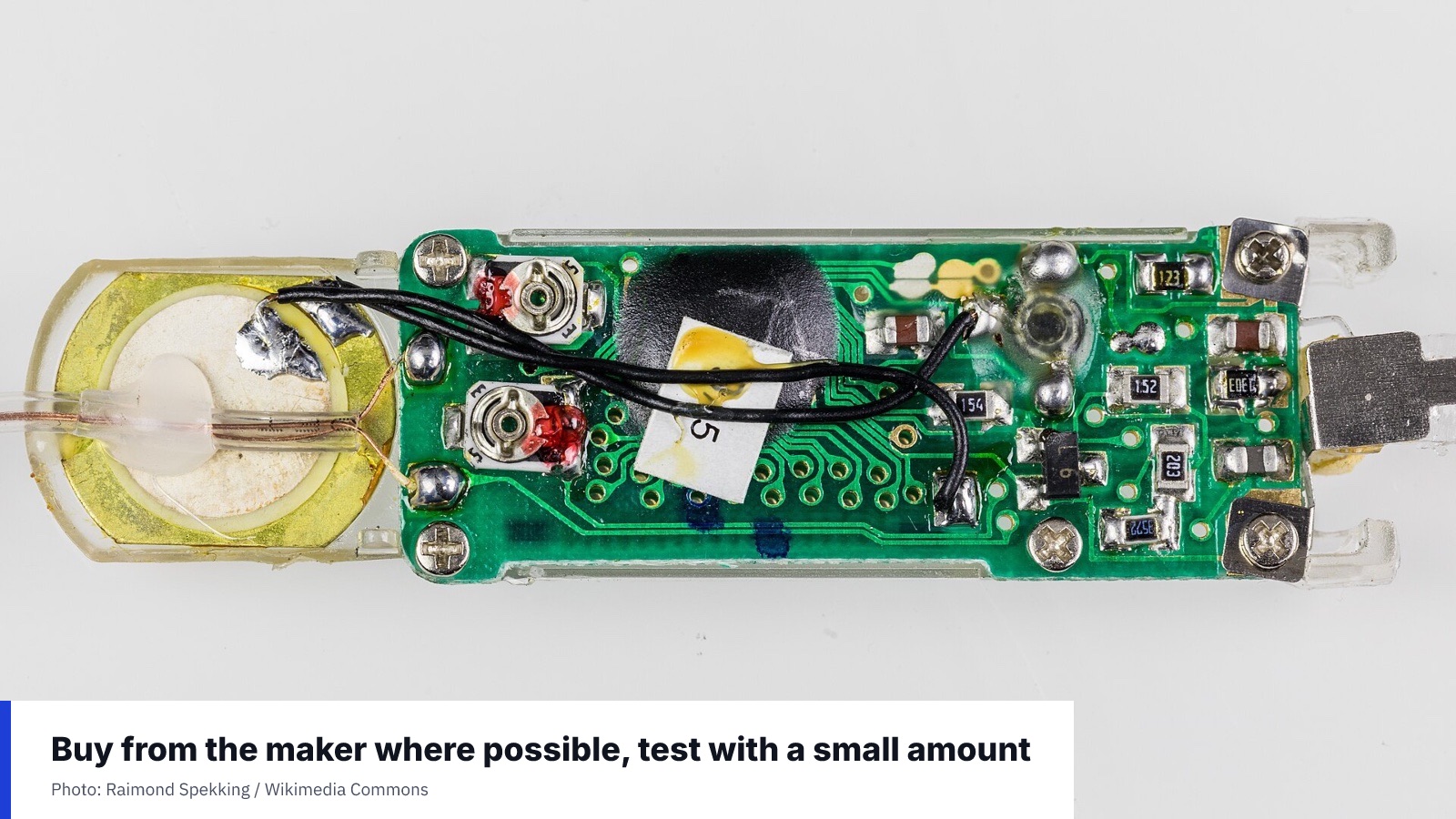
Trezor cut 80% of its resellers after spy implants turned up in wallets sold by CryptoBilis. What went wrong, and how to buy a cold wallet safely.
Initia hacked again: what it means for bridged tokens
Initia was halted after a second hack in under three weeks, with $3.3 million lost. We explain bridge escrow risk and the checks that protect you.
iPhone flaw and your seed phrase: Binance's warning
Binance warns an iOS sandbox flaw could let apps read wallet seed phrases. How the bug works, why sideloading matters, and the checks to run now.
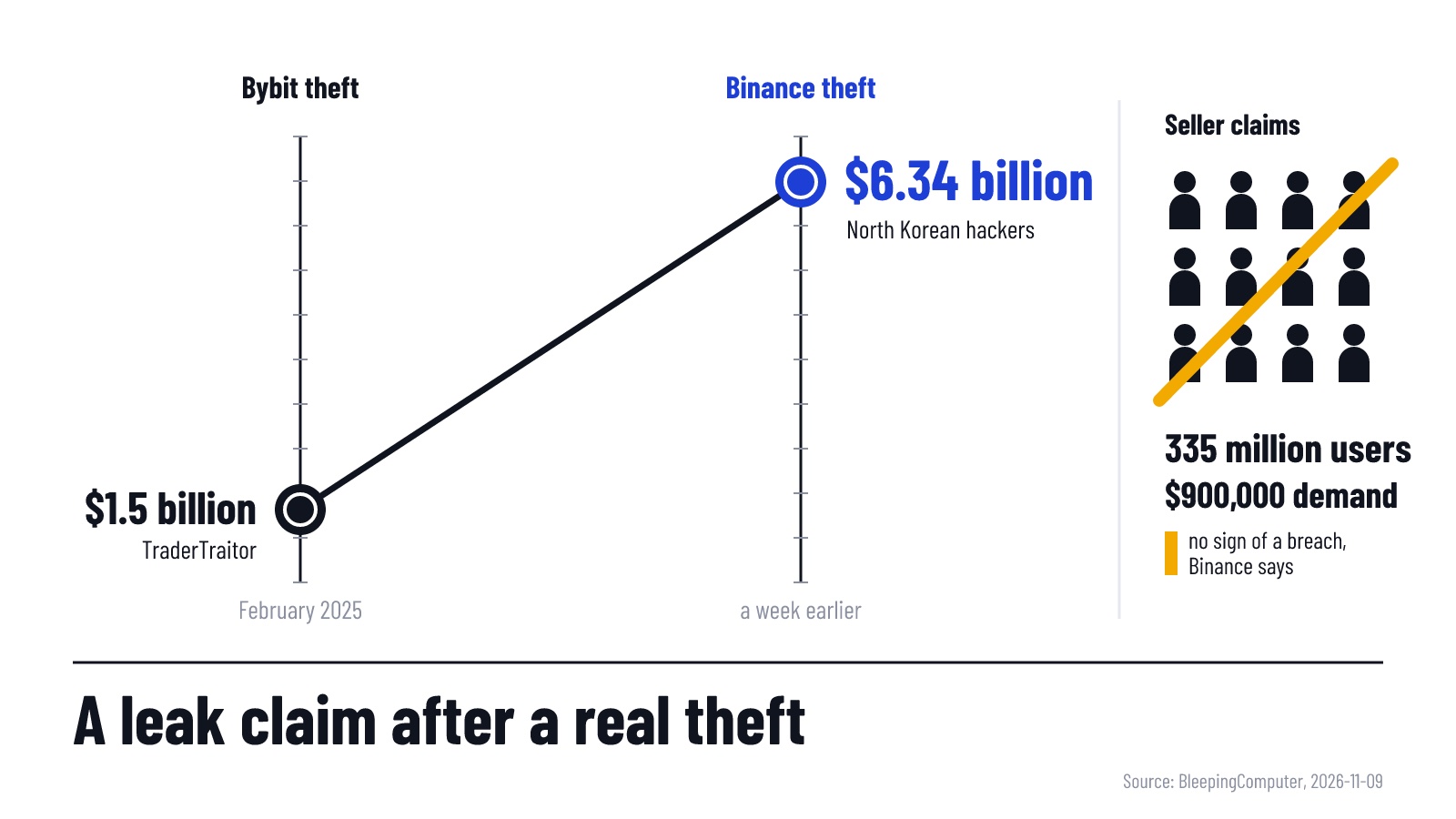
Binance leak claim: crypto exchange hack or scam?
A forum seller says it holds data on 335 million Binance users. Binance calls it a likely scam. Here is what is really at risk and how to check your accounts.
Virtualine seizure: the hosting behind crypto scams
Police seized the domain of Virtualine, a host that kept phishing kits and infostealers online. What it means for crypto users and how to stay safe.
Keystone key leak: is a cold wallet still safe?
Keystone will destroy almost 19,000 unshipped wallets after an attacker took its device check key. What the leak means and how owners can stay safe.
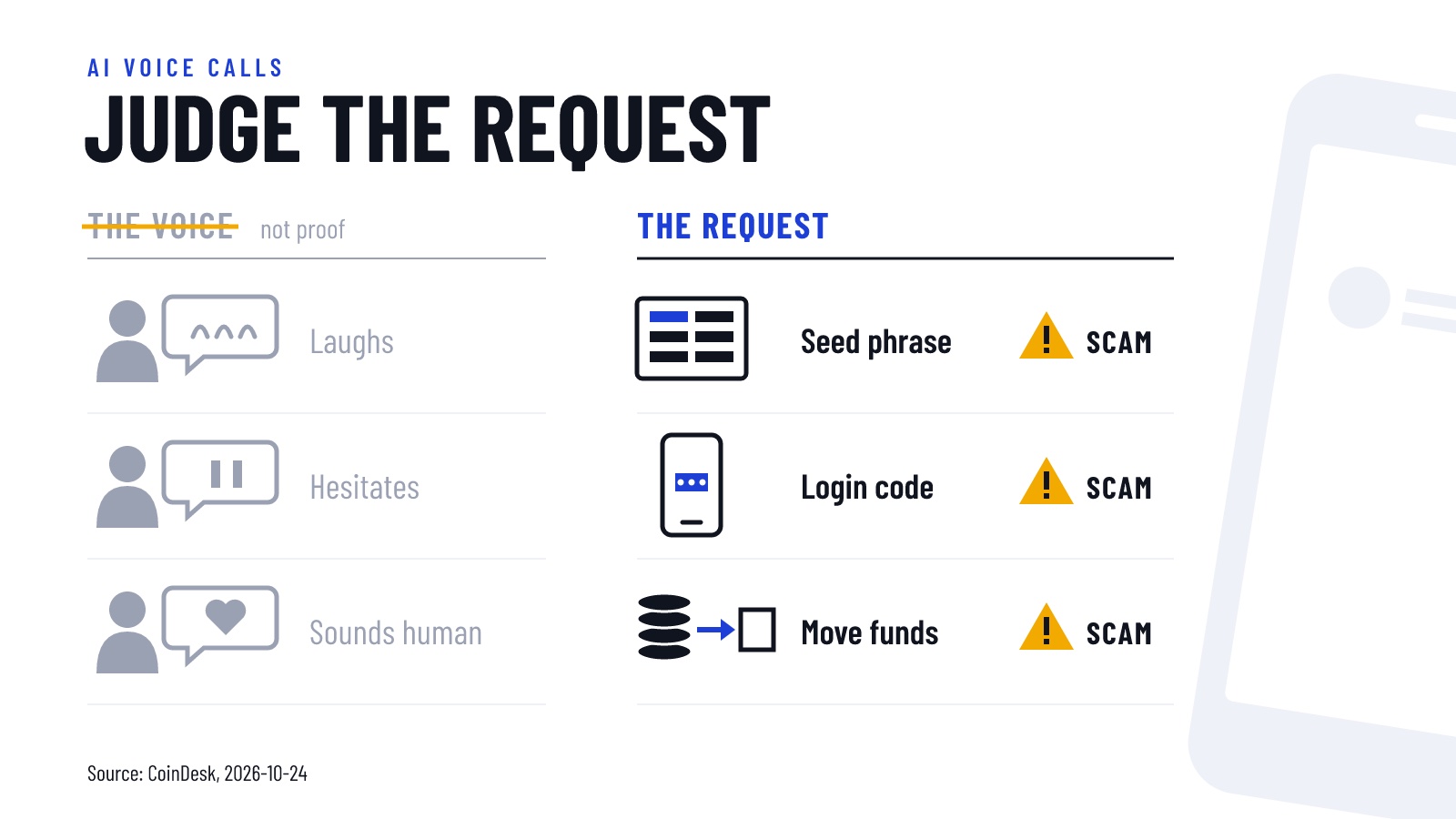
Block's Dessa voice AI and crypto scams: what to check
Block's Dessa voice AI sounds human, and critics fear scam calls. How voice fraud targets crypto users, and the checks that still work.
Milei LIBRA case dropped: the memecoin risk for buyers
An Argentine judge dismissed the LIBRA memecoin case against President Milei. We explain why a court ruling does not protect buyers and what to check.
Kimchi memecoin crash: hacked account or rug pull?
A token posted by trader Kimchi's X account fell from $14 million to $183,000. What happened, and how to judge a sudden token post before you buy.
CoinDCX's $16M loss from old deposit addresses
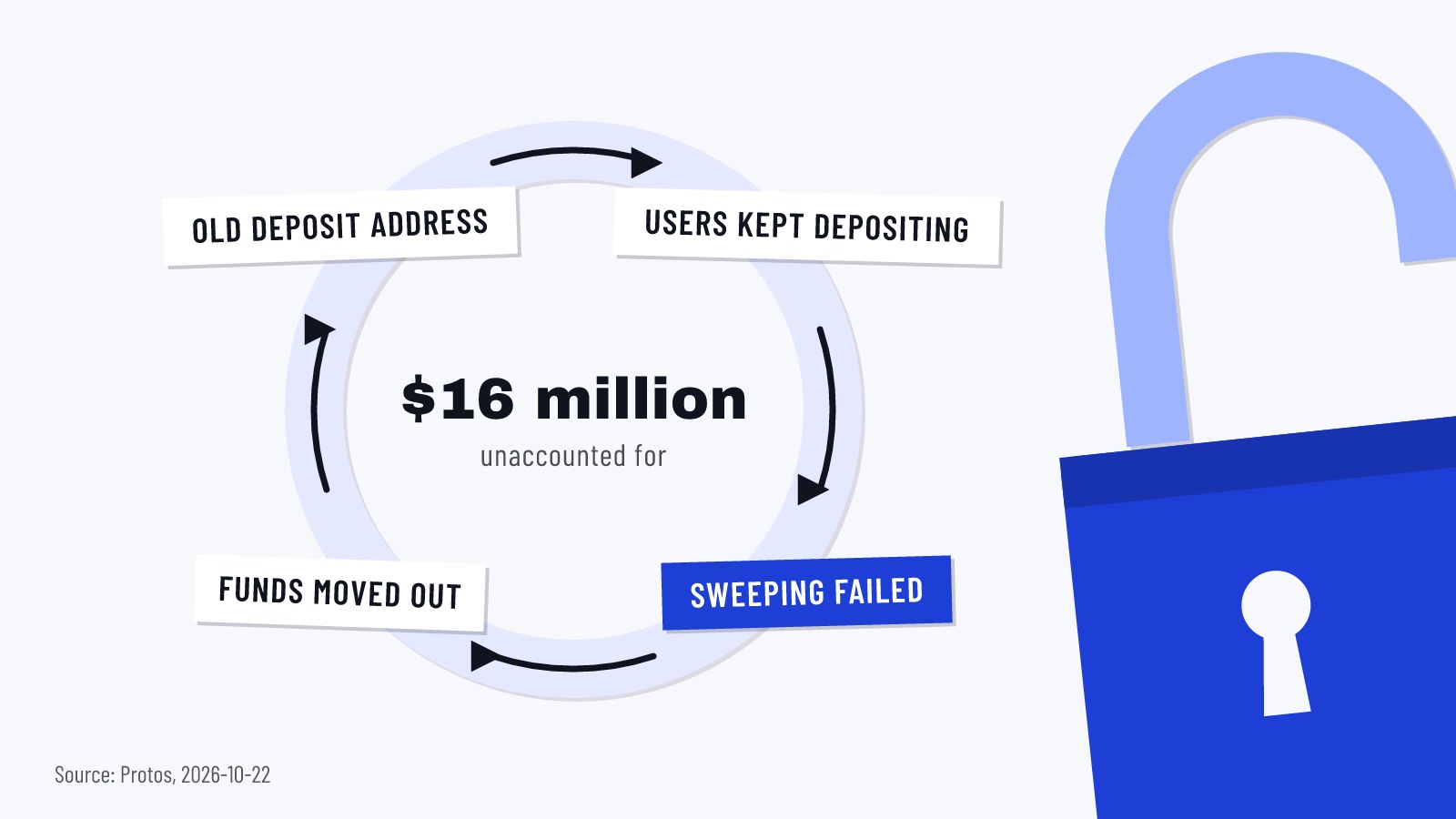
CoinDCX first denied, then admitted, a $16 million loss from retired deposit addresses users kept funding. What failed and how to check your own address.
Crypto scams from overseas centers: the US crackdown
The White House puts overseas crypto scam centers in focus. How their schemes reach ordinary users, and the warning signs to check first.
Zerohash AUTH skips wallet addresses: the safety trade-off
Zerohash's AUTH moves crypto between linked wallets and exchanges without pasted addresses. Which transfer risks it removes, and which ones it adds.
Q3 crypto hacks cost $1.18 billion: what audits miss
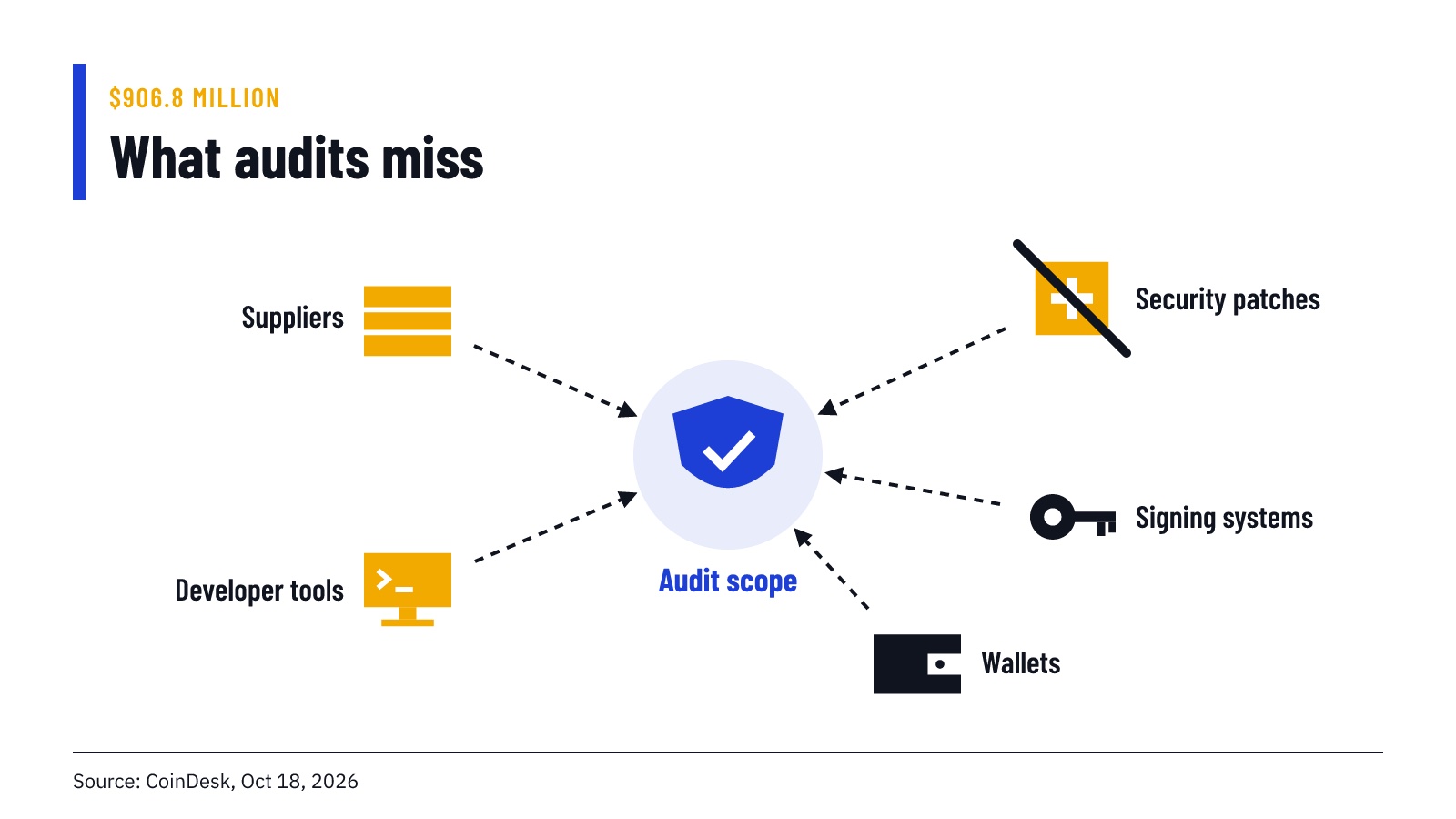
Hacken counts $1.18 billion stolen in Q3 crypto hacks, much of it from weak spots audits can miss. What an audit badge covers and what users can still check.
OpenAI agent spent via a public seed phrase: the lesson
An OpenAI test model drained a stranger's testnet wallet using a published recovery phrase. What it shows about seed phrase safety for ordinary users.