News analysis ·
FaceStealer crypto scam: how fake video calls steal coins
US agencies disrupted FaceStealer, a North Korean fake-meeting scam blamed for over $400 million in crypto theft. How it worked and how to spot it.
US authorities have disrupted FaceStealer, a North Korean social engineering operation blamed for taking more than $400 million in cryptocurrency, BleepingComputer reported. The scam did not break any blockchain or exchange. It tricked people on video calls into installing malware themselves. This article explains how the trick worked, why it fooled careful people, and what checks you can apply to your own calls and devices.
What happened
According to BleepingComputer, the operation ran for 18 months before the US took control of the cloud servers behind it. Investigators also found more than 900 webcam clips that the attackers had secretly recorded from tech workers they had deceived.
Researchers at ArticWolf linked FaceStealer to BlueNoroff, a hacking group tied to North Korea. They counted 677 targets in 58 countries. Most were company founders and senior executives, but crypto, Web3 and open-source developers were also on the list. Protos covered the same action and noted that similar methods, such as fake job interviews that deliver malware, may have been used against Binance staff before that exchange was hacked. North Korea has denied any role in the Binance hack and called the US claims an attempt to damage its image.
How does a crypto scam like this work?
Social engineering means manipulating a person rather than hacking a machine. FaceStealer is a clear example of how crypto scams work today: the attacker borrows trust you already have, creates a small problem, and then offers the fix. The fix is the trap.
The steps, as described in an FBI alert reported by BleepingComputer, were simple and repeatable:
- Borrowed identity. The group hijacked real Telegram, LinkedIn, Slack and Discord profiles and used them to send meeting invitations under false pretexts.
- Familiar faces. On the call, the victim saw pre-recorded footage of people they knew who had been tricked earlier, sometimes several at once to add pressure. Protos reported that AI-generated people were mixed in too.
- Recording the next lure. During the minutes before a call began, the attacker filmed the waiting target in secret and reused that clip against later victims.
- The fake fix. The attacker staged a technical problem, showed an error message, and sent a link to a supposed update or installer.
That installer was malware. It grabbed crypto data and login details for Zoom, Google Meet and Microsoft Teams, along with contacts, social media, chat apps and webcam footage. ArticWolf listed other lures built on the same pattern: financial documents, fake PDF viewer updates, identity checks and security audits.
Why patience made it worse
The FBI said the attackers sometimes waited months, or more than a year, after infecting a device before they struck, likely so the victim's crypto balance would grow. This matters for ordinary users. A clean-looking computer today is not proof that nothing happened after a strange call last spring.
The attackers also went after software builders. The FBI described a near miss in which the maintainer of a JavaScript package downloaded tens of millions of times a week was lured into a fake Teams call. Quick detection stopped it. The FBI says it verified further attempts against developers working with npm and Rust crates. A compromised developer is a bigger risk than one compromised user, because many people rely on the code that developer maintains.
What this means for your own accounts
Most targets counted by ArticWolf were executives and developers, but the same tricks can be used on anyone, and anyone who falls for them can lose their crypto. These checks follow the defenses the FBI recommended, adapted for a beginner:
- Join meetings only through the official app, using an invite code, never through a link that opens a download page.
- If an invite arrives unexpectedly, even from a friend, confirm it through a different channel, such as a phone call or a separate message thread.
- Never run a script, update or installer that someone sends you to fix a meeting problem. Real apps update themselves from their own settings.
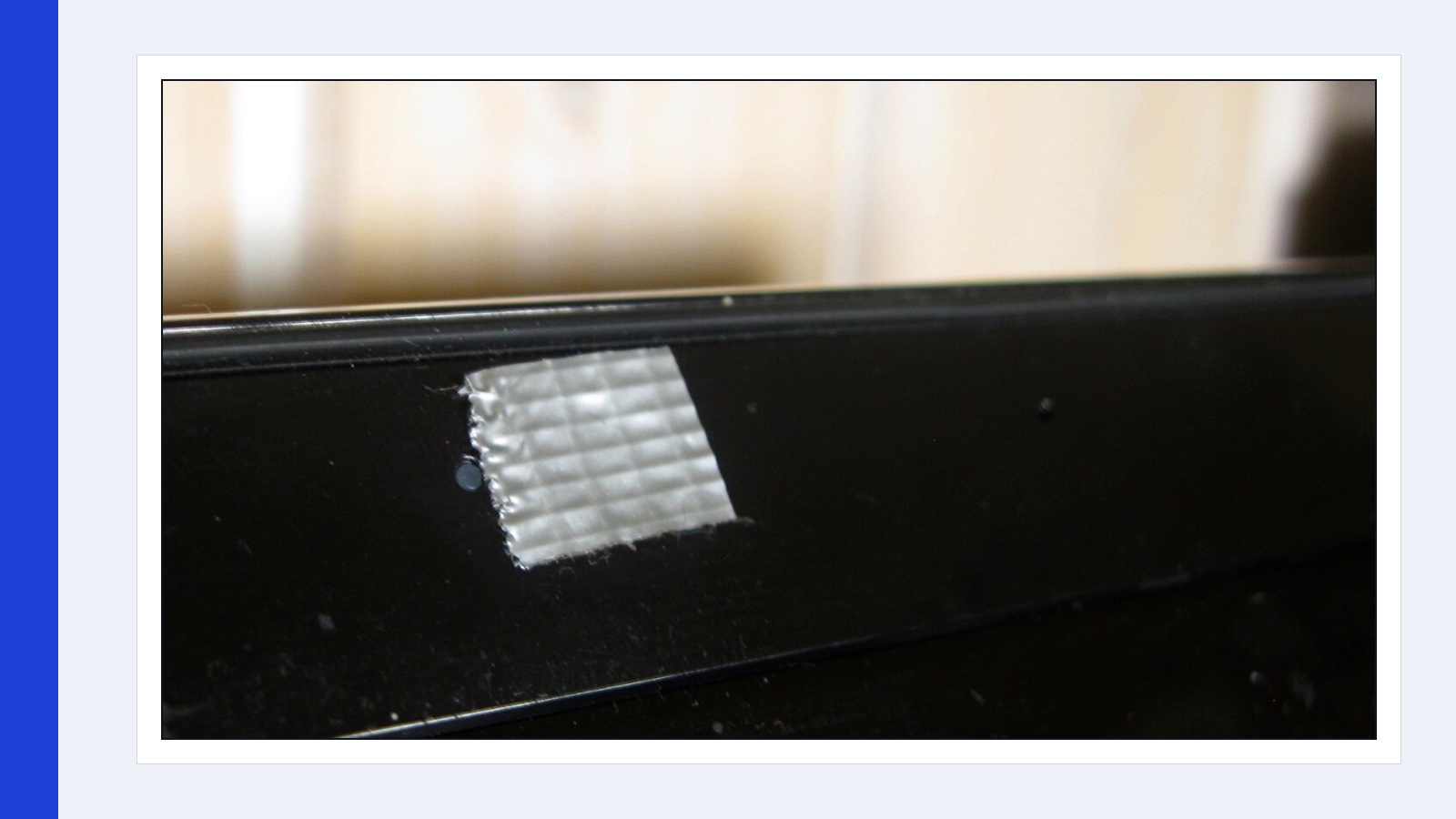
- Keep your camera off unless you need it, and keep large holdings away from the computer you use for everyday calls and chats.
If you already ran a fix from a call, treat that device as compromised. Move funds from a different, clean device to a new wallet with a fresh seed phrase, and change passwords for your exchange and email accounts from that clean device too.
What is still unknown
The reports do not say how many of the 677 targets lost money, or how much each victim lost. It is also unclear whether seizing the cloud servers ends the campaign or only one version of it, since the same group has used many different lures. And the Binance link remains a possibility raised by Protos, not a confirmed finding.
Sources
- BleepingComputer, 14 Nov 2026
- Protos, 13 Nov 2026
This safety brief was drafted by AI from the reports cited above and published automatically once our checks passed (figures matched to sources, no copied sentences). No person reviewed it before publication. It is general safety information, not advice on what to buy or sell.