
Why does a crypto site cover money and markets?
Crypto prices respond to many of the same forces as other assets: interest rates, inflation, appetite for risk and tax. This section explains those general ideas, mostly from regulator education pages such as Investor.gov and FINRA, and from the IRS and HMRC for tax, so you can weigh a crypto offer against ordinary alternatives such as savings accounts and funds.
In what order should you read these guides?
- Why build an emergency fund before investing? — money you may need soon belongs somewhere safe and easy to reach.
- Risk and return and diversification — the two ideas behind almost every investing decision.
- Compound interest — and how to read an APY offer critically.
- Stocks vs crypto and spot bitcoin and ether ETFs — how the wrapper changes what you own and which protections apply.
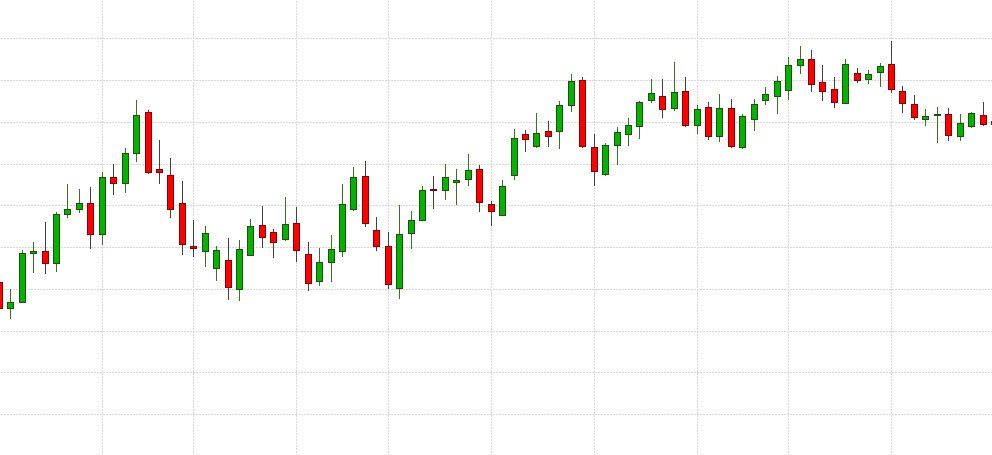
- The market-reading guides: market cap, bull and bear markets, candlestick charts and technical vs fundamental analysis.
- Tax last, for your country: US or UK.
Which concepts and risks should you remember?
- Risk means possible loss. Investor.gov describes risk as the uncertainty or potential financial loss in an investment decision, and lists volatility, inflation and liquidity among its forms. Higher expected returns generally come with more risk.
- Protections have limits. The same page notes that deposit insurance covers deposits only, not securities, and crypto holdings sit outside it too.
- Tax follows the transaction. The IRS treats digital assets as property rather than currency and says transactions must be reported whether or not they produce a gain or a loss.
How money works
2 guides


Investing basics
4 guides



 Money & marketsSpot bitcoin and ether ETFsWhat the SEC approved in 2024, how these products work, and the risks it still warns about.


Reading the market
4 guides
 Money & marketsMarket cap on a coin page: what does the number tell a beginner?Market cap, rank, supply and FDV on a coin page, read the beginner’s way.



Tax
2 guides


Article Sources
3 sources
Blockhorizon checks every figure, date and quotation against primary sources: regulators, statistics bodies and original technical documents. Read our editorial policy.
- SEC Investor.gov — Introduction to Investing — investor.gov (accessed 2026-10-13)
- SEC Investor.gov — What is Risk? — investor.gov (accessed 2026-10-13)
- IRS — Digital assets — irs.gov (accessed 2026-10-13)