News analysis ·
Keystone key leak: is a cold wallet still safe?
Keystone will destroy almost 19,000 unshipped wallets after an attacker took its device check key. What the leak means and how owners can stay safe.
Keystone, a maker of hardware wallets, says it will destroy almost 19,000 devices that had not yet shipped, because a hacker got hold of the secret behind its genuine-device check. The same breach exposed buyers' names, addresses and order details, according to Protos. This article explains what was taken, why a stolen verification key matters, and what owners and buyers can do now.
What happened at Keystone
Protos reported that Keystone confirmed a suspected leak of customer shipping data on X on Saturday. The data included names, contact details, delivery addresses and what each person ordered, with prices. Keystone said payment data and wallet keys were not part of the leak.
The confirmation came roughly 18 hours after a buyer described a phone call in which a caller used that buyer's Keystone order details to sound convincing. This is called social engineering: a scammer uses real information to earn trust and then asks for something.
In a later update, Keystone said almost 26,000 customer records were hit, all from Shopify purchases on its official store, plus 13,000 partial order records. The same update contained the most serious admission. In Keystone's words, "the attacker also obtained the WebAuth key we use to verify whether a device is genuine." New units will use a fresh key, and shipping is paused until the switch is done.
Why a stolen verification key is a big deal
A hardware wallet, also called a cold wallet, keeps the private keys that control your coins inside a small offline device, so malware on your computer cannot copy them.
That protection depends on one thing: the device must be the real device. Makers use a check, here called WebAuth, so a buyer can confirm the unit came from the factory and was not swapped or altered. If an attacker holds the key behind that check, a tampered or fake device could in principle pass as genuine. That is why Keystone chose to scrap unshipped stock rather than send it out under the old key.
The data leak adds a second layer of risk. A scammer who knows your name, address and exact order can write a letter, email or call that looks official. Keystone warned buyers about people posing as its staff and offering refunds, replacement units or fixes for an order or address. A replacement device that arrives by post, unrequested, is a classic way to slip a fake wallet into someone's hands.
Is a cold wallet still safe?
Yes, the core idea still holds: keys kept offline are harder to steal than keys on a phone or laptop. Keystone said wallet keys were not in the leak. The weak points in this case sit around the device, in the shop database and the supply chain, not inside it. Still, no wallet removes the risk: if your keys or seed phrase fall into the wrong hands, you can lose your crypto for good.
This is not a one-off. Protos notes that incidents at Ledger and Coldcard, a spyware scandal and a seed generation bug, together led to over $200 million in losses. Coldcard's X account was hijacked earlier this month to send a fraud post to an audience of 67,000, and Ledger, Trezor and SafePal have also had recent leaks. Separately, Foundation said phishing emails reached Passport users from its own domain through compromised Cloudflare API keys, with over 20,000 attempts delivered. A cold wallet is safe only when you trust the device, the place you bought it, and every message that claims to come from its maker.
What this means for your own accounts
If you own a hardware wallet from any brand, or plan to buy one, a few habits cut most of the risk from leaks like this one.
- Treat any call, email or letter about refunds, replacements or address fixes as suspect, even if it quotes your real order. Contact the maker yourself through its official website.
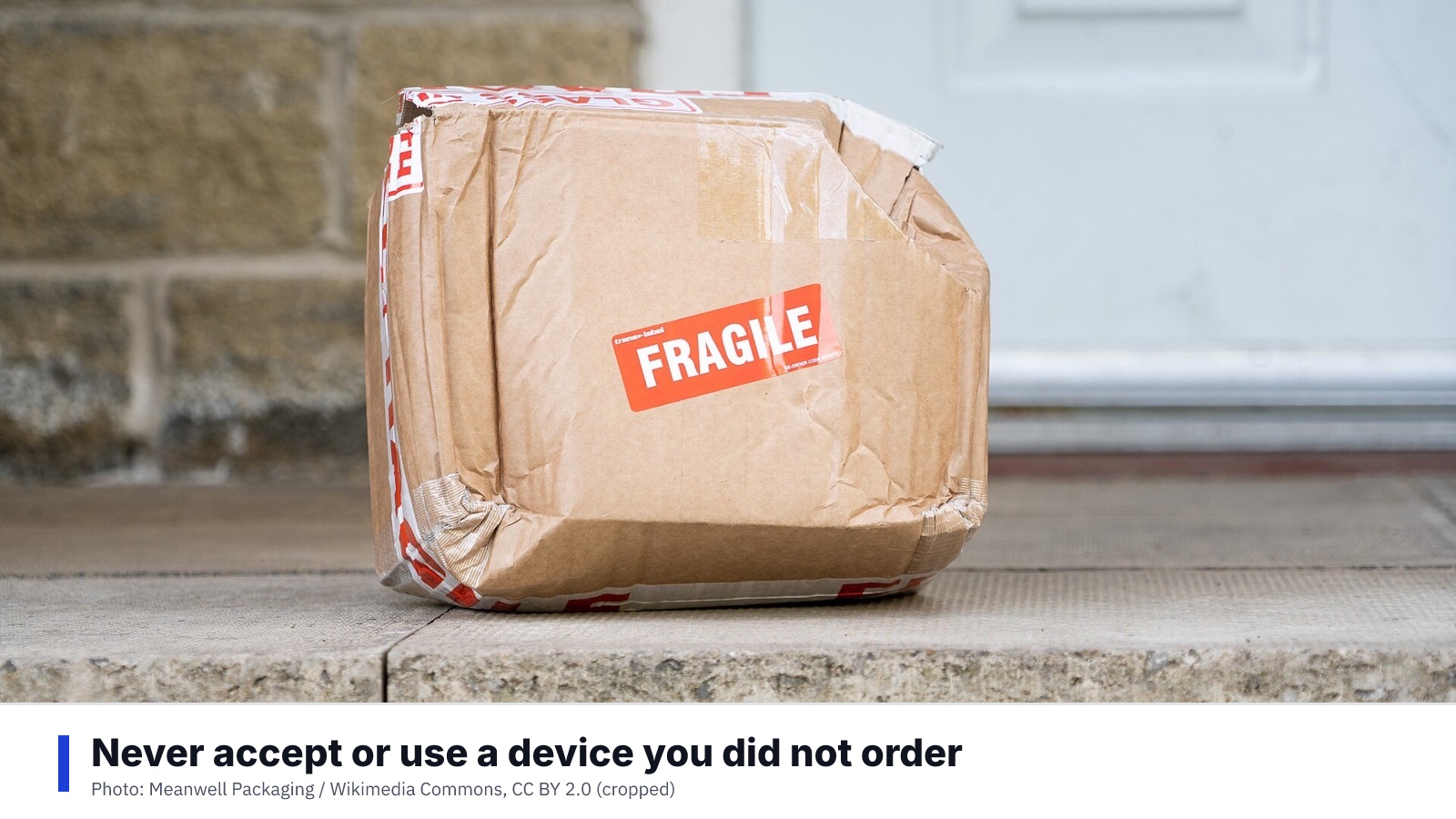
- Never accept or use a device you did not order, and buy only from the maker or a seller it lists.
- Never type your seed phrase, the backup words for your wallet, into a website, app or form, and never read it out to anyone. No real support team needs it.
- If you were a buyer, expect targeted phishing for a long time, since names and addresses cannot be changed like a password.
Deleted data that was not deleted
Keystone had said shipping data would be erased 180 days after an order. Yet the buyer who raised the alarm says the device was bought in 2024. Keystone said a further 25,000 records had already been erased under its retention policy, but admitted its automatic deletion tool did not work reliably and kept some data too long.
Foundation had a similar gap. It had said order data was deleted after 60 days, but past database migrations cleaned only new tables, leaving personal data in older copies. It added that recent Shopify orders may also be exposed.
What is still unknown
The reports do not say whether any fake or altered device has reached a customer, or when Keystone shipping resumes. Foundation says it is still working out how many users had personal data exposed. Until then, assume your order details are in a scammer's hands.
Sources
- Protos, 26 Oct 2026
This safety brief was drafted by AI from the reports cited above and published automatically once our checks passed (figures matched to sources, no copied sentences). No person reviewed it before publication. It is general safety information, not advice on what to buy or sell.