News analysis ·
Shatner's fake charity memecoin: how the scam works
William Shatner says a Star Trek charity memecoin on Pump Fun used his name without consent. How these tokens work and how to spot one.
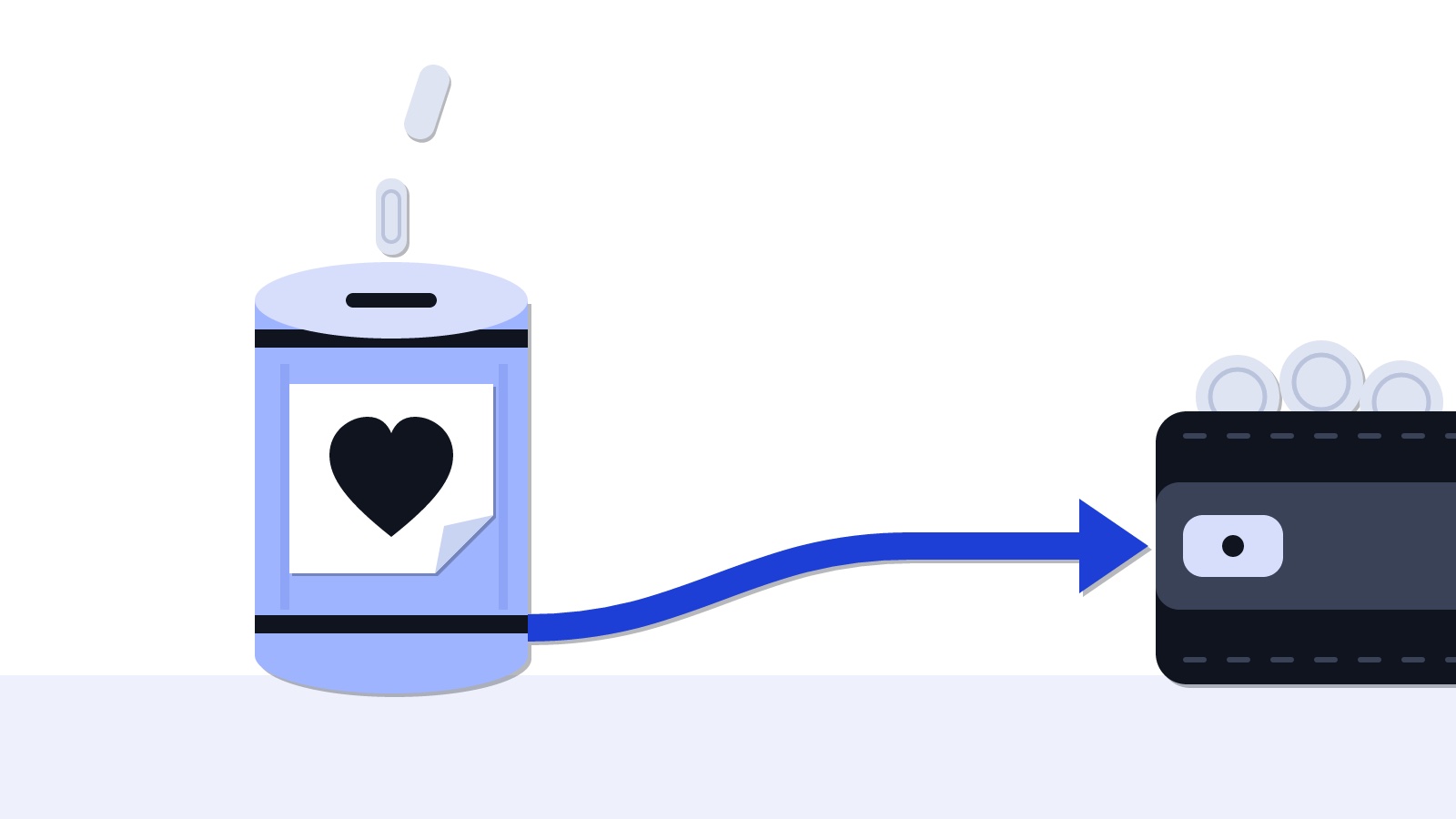
Star Trek actor William Shatner says a memecoin promising to fund his charity was created and promoted without his permission, Protos reported. The token, called Quatloos, was hosted on the memecoin launch platform Pump Fun. This article looks at how a fake celebrity charity token is put together, why it can fool careful people, and what checks a beginner can run before buying any coin tied to a famous name.
What happened with the Quatloos token
According to Protos, Shatner found the token last Friday through a press release that the site Blockzeit had published last July. The token was named Quatloos, with the ticker $QUATS, and it claimed its profits would go to his charity, the Hollywood Charity Horse Show. The press release included a made-up statement in his name about technology evolving and exploring the unknown.
Shatner, known for playing Kirk in Star Trek on television and in film for almost 30 years, says he never approved any of it. He called the promotion despicable and a scam, and said whoever created the token is simply taking buyers' money. Quatloos is the name of a fictional alien currency from the show, and Shatner says that name is copyrighted by Skydance.
He wants Blockzeit to take his name off the piece. Protos reported the article was still online when it wrote its story. Shatner is also trying to reach Pump Fun's management and its founders, Alon Cohen and Sapijiju.
What is a memecoin, and why are fake ones easy to make?
A memecoin is a crypto token built around a joke, a trend, a character or a famous person, rather than around a product or service. Most have no business behind them. Their price moves on attention alone, which makes them very risky even when nobody is cheating. You can lose all the money you put in.
Launch platforms such as Pump Fun are described as permissionless. That means a creator does not need anyone's approval to list a token, so nobody has to confirm that they have the right to use a name. That openness is the point of the design, but it also means a token can carry a celebrity's name, a film reference and a charity promise without any of those people agreeing to it.
How a fake celebrity charity token is put together
This case shows the usual building blocks. Each piece on its own looks harmless. Together they create a story that feels official.
First, a borrowed name. A famous face gives the token instant trust and a ready audience. Second, a written source. A press release on a crypto news site makes the launch look announced rather than invented, and an invented quote makes it look personal. Third, a good cause. A charity promise lowers a buyer's guard, because buying feels like helping. Fourth, a platform listing. Seeing the token on a known launch site can feel like approval, even though a permissionless platform does not need the creator to prove who they are.
The key weakness is that a promise to send profits to charity is only text. A token cannot prove where money will go. Only the creator controls that, and in this case the named person says he never authorized the token.
The money side can also get messy. Protos reported that the charity's CFO turned down a donation from the founder of Donate.gg, a crypto charity service that had been working with Pump Fun on charity coins. Shatner told Donate.gg the funds had been raised under false pretenses, which he called fraud, and asked it to delete his charity's page. Donate.gg founder Leap later took the page down. Shatner said: "I don't care if it's permissionless. You are helping to participate in fraud and I will not stand for that."
What this means for your own accounts
You do not need to follow celebrity news to be affected. The same pattern can appear with any famous name, sports team or good cause. Before you buy a token linked to a person or charity, run a few checks.
- Look for the announcement on the person's or charity's own official channels, not only on a news or press release site.
- Treat a quote in a press release as unconfirmed until the named person repeats it themselves.
- Remember that a listing on a launch platform is not an endorsement; anyone can create a token there.
- If you want to support a charity, give through the charity's own published donation route instead of buying a token that claims to donate for you.
Note that celebrity involvement is not a safety signal either way. Protos pointed out that Shatner promoted a separate media token, $BILL, last year, which gives holders entry to his solo stage show. A real endorsement still leaves you with the normal risks of a memecoin.
What is still unknown
It is not clear who created Quatloos, how many people bought it, or how much money it raised. It is also not known whether Pump Fun will act on Shatner's complaint, or whether Blockzeit will take down the article. Some crypto users criticised Shatner for turning down the donation, and he answered by calling them crypto-cretins.
Sources
- Protos, 17 Nov 2026
This safety brief was drafted by AI from the reports cited above and published automatically once our checks passed (figures matched to sources, no copied sentences). No person reviewed it before publication. It is general safety information, not advice on what to buy or sell.