News analysis ·
Is a cold wallet safe? Trezor's reseller spy chips
Trezor cut 80% of its resellers after spy implants turned up in wallets sold by CryptoBilis. What went wrong, and how to buy a cold wallet safely.
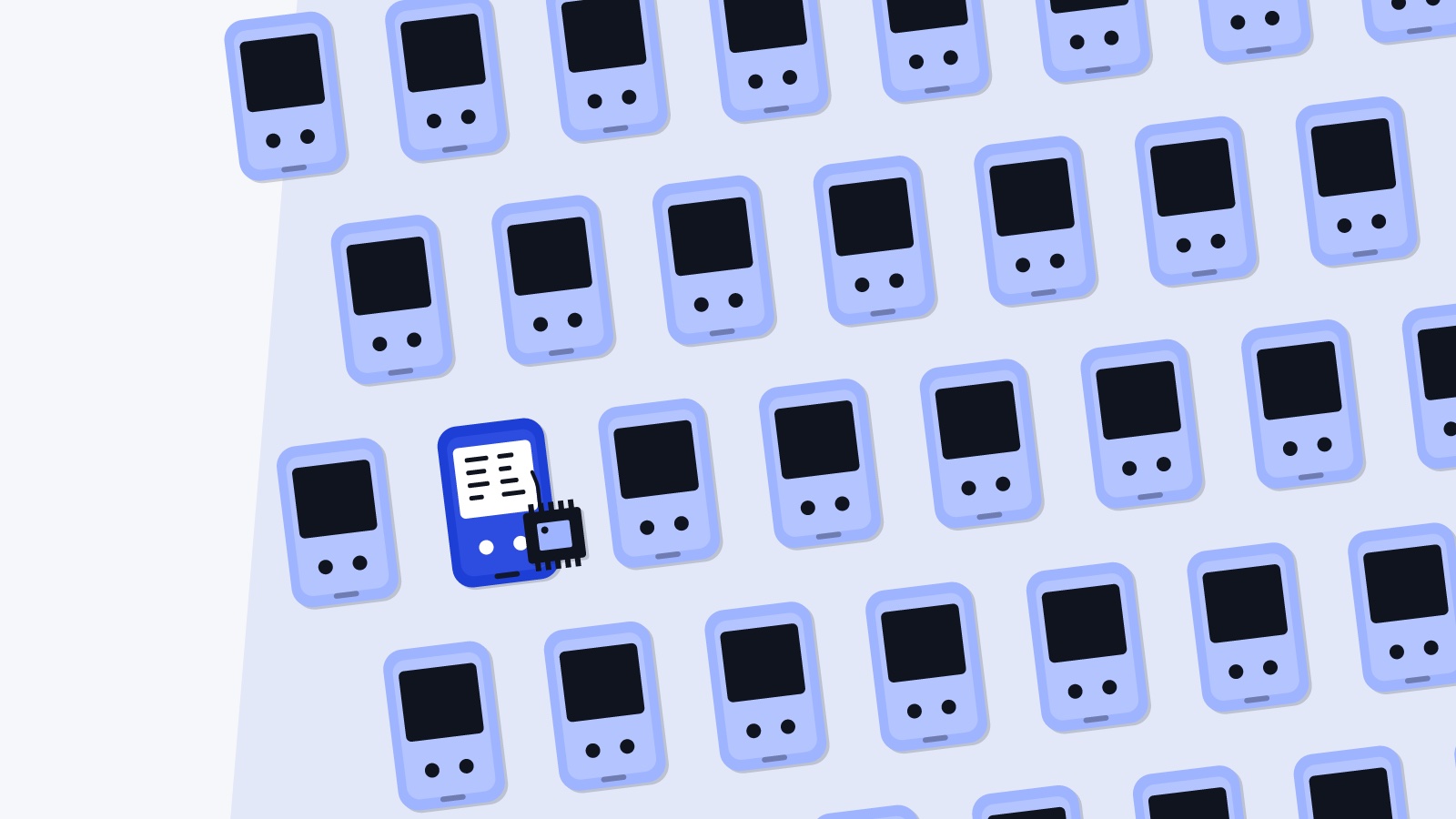
Trezor, a maker of hardware wallets, has dropped 80% of its resellers after more hidden spying chips were found in devices sold through the Malaysian vendor CryptoBilis, Protos reported on November 12. This article explains how the implant worked, why a software fix does not end the risk for affected buyers, and what any beginner can check before trusting a cold wallet.
What happened at Trezor
According to Protos, Trezor has found spyware hardware inside three Trezor Safe 5 units. All of them were bought from CryptoBilis between August 20 and September 23. Trezor says the owners of these units have lost no coins so far, and it is offering a free replacement to anyone who bought a wallet from that vendor.
The company also rewrote its rules for the shops that sell its devices. The new requirements cover where units come from, how they are stored and who can physically handle them. Only 20% of resellers were able to meet them. Trezor said the resellers it removed were trustworthy and did not pose an immediate danger, so the cut is about tighter control of the supply chain rather than a claim that those shops were dishonest.
Trezor took several weeks to say publicly that it had found an implant in one of its own devices. The news follows a larger case last month, when attackers emptied Ledger-made wallets of over $86 million in a theft that also involved tampered devices sold by CryptoBilis.
How the spy implant worked
A hardware wallet, often called a cold wallet, is a small device that keeps your private keys offline. Its whole promise is that the secret never leaves the device. The implant attacked that promise from the inside.
A Trezor spokesperson told Protos that the implant listens to the traffic between the device's MCU, its main control chip, and its screen. When it spots a particular sequence, it starts capturing. That sequence is the seed phrase, the list of words that can rebuild your wallet on any other device. In plain terms, the chip waited for the moment the wallet showed your backup words, and copied them.
Trezor said a software update released on November 11 stops the implants from recording and makes them useless. The fix reshuffles the instructions the chip passes to the display, so the trigger pattern never appears, while the picture on screen stays the same.
Is a cold wallet safe after this?
A cold wallet is still designed to keep keys away from the internet, but this case shows that the device is only as trustworthy as the path it took to reach you. A unit that was opened and altered before you unboxed it can leak your seed phrase no matter how carefully you use it afterwards.
That is why the update is not a full cure. Trezor warned CryptoBilis customers to move their funds to a fresh wallet, because "the update can't protect a wallet backup that was captured before it." Once a seed phrase has been copied, whoever holds the copy can rebuild the wallet elsewhere. No firmware change can undo that.
Protos reported that Ledger's investigation found an organized crime group spending millions on this kind of attack, with logistics, servers that collected seed phrases, and systems to drain and launder funds. Tether froze $10 million of the stolen money in the Ledger case, and Ledger asked several wallet sellers in Asia to stop sales.
What this means for your own wallet
The lesson applies to any hardware wallet.
- Buy only from the maker's own store or a seller the maker lists as official. A unit from a marketplace or an unknown shop is exactly the kind of weak link this attack exploited, because you cannot see who handled it on the way.
- Never use a seed phrase that came with the device or was shown to you before setup. A genuine wallet creates a new phrase for you, on its own screen, the first time you set it up.
- If you bought a wallet from an unofficial seller, treat the seed phrase as possibly exposed. Set up a new wallet from a trusted source and move your funds to it, as Trezor advised CryptoBilis buyers.
- Install firmware updates only from the maker's official app, and keep your written seed phrase offline, away from photos, cloud notes and messages.
Moving funds to a new wallet takes a little time and a network fee, which is small next to the risk of an attacker holding your backup words. Crypto held in any wallet carries risk, and if someone copies your seed phrase you can lose everything in it, with no way to get it back.
What is still unknown
It is not clear whether more tampered units are still in buyers' hands, since Trezor took weeks to disclose the first implant it found. Protos did not report how the devices were altered on their way to CryptoBilis customers, or whether other sellers handled tampered stock.
It is also unclear how many people who bought from CryptoBilis have already moved their funds. Until they do, a copied seed phrase remains a live risk, even with the update installed.
Sources
- Protos, 12 Nov 2026
This safety brief was drafted by AI from the reports cited above and published automatically once our checks passed (figures matched to sources, no copied sentences). No person reviewed it before publication. It is general safety information, not advice on what to buy or sell.