News analysis ·
China's pig butchering documentary: how scam centers work
China released a three-part film on pig butchering scam compounds. We explain how the operations run and the warning signs for ordinary users.
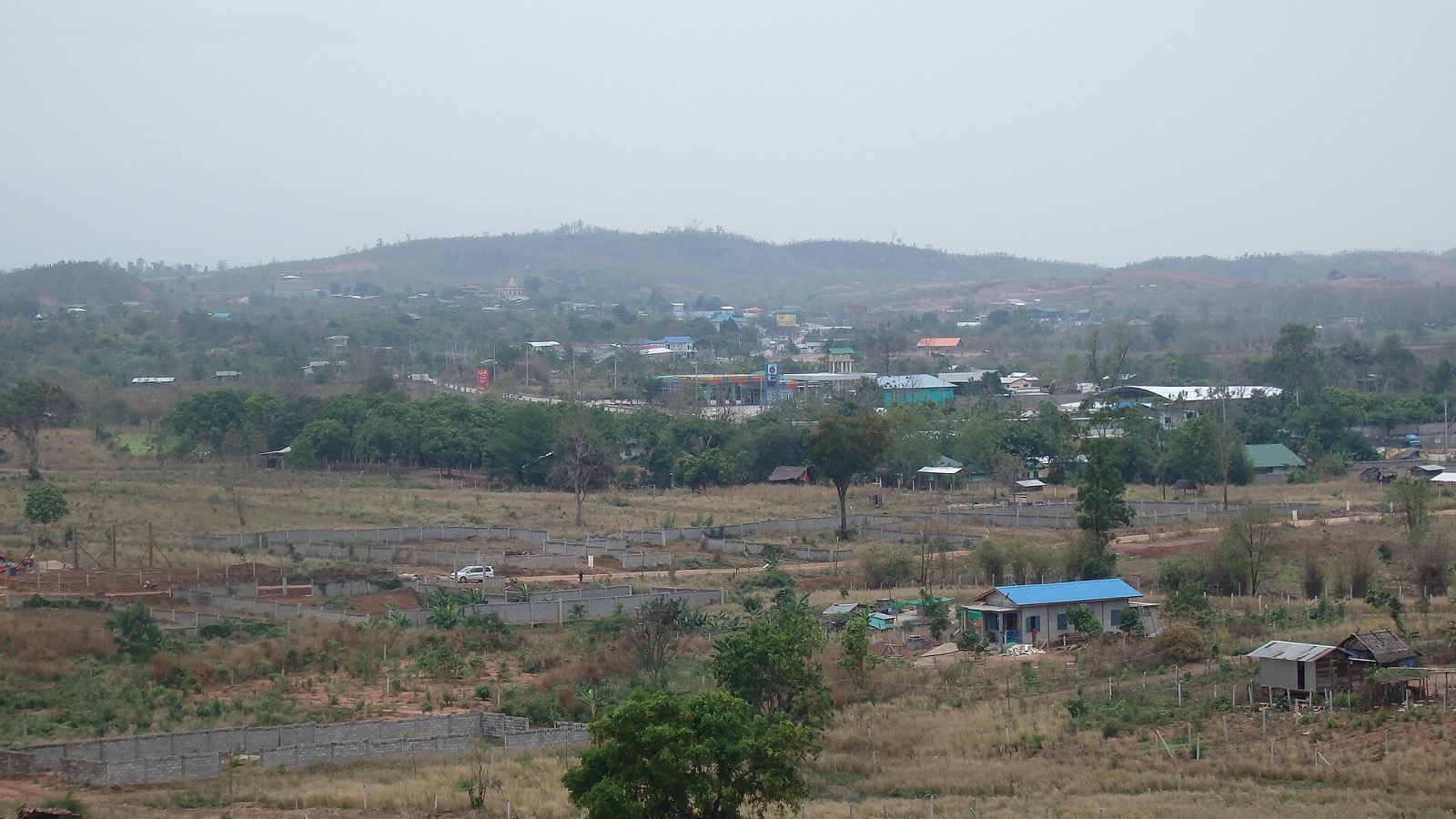
China's government has released a three-part documentary, about two hours long, on pig butchering scams run from compounds near its southern border, Protos reported. The film shows how the syndicates operate and how Chinese authorities broke up several of them. This article explains how these operations work from both sides, the people forced to run them and the people they target, and the warning signs an ordinary user can watch for.
What happened
Pig butchering is a long-con fraud. A scammer builds trust with a target over weeks, often through a fake romance or a friendly stranger online, then steers them into sending money, frequently into a fake crypto investment. The name refers to fattening up the victim before taking everything.
The film says nearly 100,000 law enforcement officials are now working against the syndicates. It says more than 50,000 Chinese nationals have been sent back to China to face charges, while tens of thousands are still held by the gangs. The film features four syndicates China dismantled, run by the Bai, Wei, Liu and Ming families. Protos said almost all of the leaders have been arrested and given prison or death sentences.
How the scam centers run
Protos described a pattern that works in two directions. First, workers are trapped. A recruiter persuades someone to travel to a region where they are abducted and held in a remote compound built like a commercial park. They are then made to defraud others through fake romances, celebrity impersonation and other schemes. Their families receive ransom demands they often cannot pay.
Most centers are in Myanmar, but similar sites have appeared in Cambodia, Laos, Thailand and the UAE. Some compounds are the size of small cities, with restaurants, doctors, dentists, firefighters and ATMs. Many syndicates employ militias of thousands of armed men to stop escapes and resist government action.
The four families in the film were Chinese nationals who were forced out of China in the late 2010s and rebuilt their operations in the north of Myanmar. They took advantage of a porous border with Yunnan Province and a civil war that makes policing difficult in Kachin and Shan states.
Why this matters outside China
The people being scammed are not only in Asia. Protos said Americans are increasingly treated as easy targets. Anyone with a phone, a social media account or a dating profile can be approached. The person messaging you may also be a victim, forced to follow a script, which is one reason these conversations can feel so convincing and patient.
What this means for your own accounts
Pig butchering rarely starts with a request for money. It starts with a relationship. These checks help you spot it early:
- Be cautious when a new online contact, romantic or friendly, steers the talk toward crypto trading or a special platform.
- Treat any site or app that shows large, steady gains but makes withdrawals slow or adds sudden fees as a serious warning sign. Any crypto investment can lose you money, and on a fake platform the money is usually gone for good.
- Check whether a platform is authorised with your national regulator before sending anything, and never move funds because a contact urges you to.
- If you have lost money, be wary of anyone offering to recover it for a fee; recovery offers are a common second scam.
A useful habit is to talk to someone you trust before sending money to a platform introduced by a person you have only met online. Scammers rely on secrecy and urgency, and an outside view often breaks both.
What is still unknown
The documentary shows China's side of the crackdown, and its figures come from the film rather than independent counts. Protos argued that the centers are unlikely to disappear soon because they remain highly profitable in a region affected by civil war. It also said Chinese nationals are still being lured to Myanmar, Laos, Cambodia and the UAE, largely because decent jobs are hard to find at home. How much money these compounds take from victims abroad, and how much of it moves through crypto, is not stated in the report.
Sources
- Protos, 9 Oct 2026
This safety brief was drafted by AI from the reports cited above and published automatically once our checks passed (figures matched to sources, no copied sentences). No person reviewed it before publication. It is general safety information, not advice on what to buy or sell.