News analysis ·
Ledger drains linked to reseller: where the risk sits
Ledger users who bought from reseller CryptoBilis report heavy losses. What went wrong, and how to check your own hardware wallet calmly.
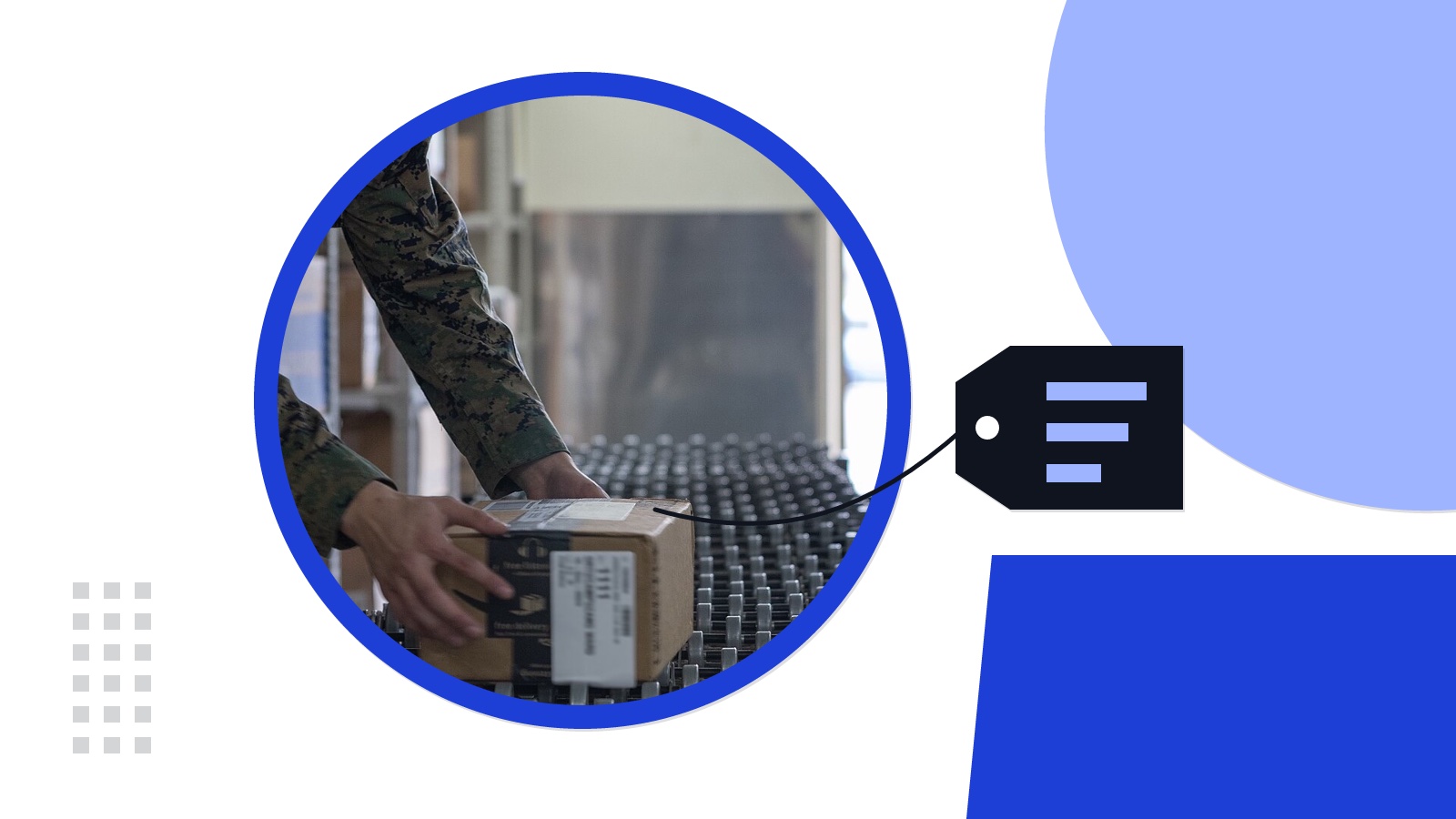
Owners of Ledger hardware wallets in Southeast Asia who bought their devices through a reseller called CryptoBilis have reportedly lost over $80 million, according to Protos, and the attack was described as still ongoing. Ledger has told the reseller to stop selling its devices. This article looks at where the weak point appears to be, why it matters for anyone holding a hardware wallet, and which simple checks reduce the risk.
What happened
Protos reported that the first warnings came from on-chain analysts known as Specter and Tanuki42. They picked up user reports of missing funds and followed the addresses the money moved to. Their estimates of the total loss range from $72 million to over $86 million.
The common thread was the place of purchase. The affected users had bought their Ledger devices from CryptoBilis, a hardware wallet seller in Southeast Asia. The firm says it also sells Trezor, OneKey, Tangem and SafePal devices, and it describes itself as the authorized Ledger reseller in Malaysia.
Ledger confirmed it is investigating a specific issue involving CryptoBilis and told the reseller to pause all sales and shipments of its devices. In its statement, Ledger said: "We will continue to inform customers of updates as the investigation progresses." When Protos asked for more detail, the company pointed back to that statement and said it had nothing further to add. Protos said CryptoBilis had not replied to its request for comment.
Why a reseller can be the weak point
A hardware wallet, also called a cold wallet, is a small device that keeps your private key offline. The private key is the secret that controls your coins. The device is only as trustworthy as its path from the factory to your hands. If someone opens it on the way, they may be able to change it or record the secrets it creates.
That is the concern raised here. Mark Karpelès, the former chief executive of the Mt Gox exchange, said wallets sold through resellers had been found tampered with and fitted with spyware designed to steal passkeys. Ledger has not publicly confirmed the cause, so this remains a claim rather than a finding.
Ledger's own advice, for its part, is aimed at specific buyers. It told anyone who bought a device from CryptoBilis in the past 90 days not to set it up at all. People who already set one up were told to move their assets to a new Ledger signer, meaning a fresh device. That advice focuses on the device and where it came from, not on a flaw in every Ledger wallet.
Panic is its own risk
Security researcher Taylor Monahan warned accounts sharing the drain reports that they were spreading panic. She said they were making people think there was a zero-day vulnerability, an unknown flaw with no fix yet, when there did not appear to be one.
Her bigger worry was what scared users do next. Monahan pointed to phishing, fake Google ads and counterfeit wallet apps that target people rushing to move funds. A user who searches in a hurry and clicks the first result can hand their seed phrase, the backup words for a wallet, straight to a thief.
She made a similar point about a separate post by Ethereum researcher Justin Drake, who urged holders to move assets somewhere safe over a possible risk of AI breaking the cryptography wallets rely on. Monahan said that post could do more harm than the risk it warned about.
What this means for your own accounts
Even if you never bought from this reseller, the case is a useful reminder of a few habits that apply to any device. Holding crypto carries real risk: if a wallet device or its recovery phrase is compromised, you can lose the money it holds.
- Check where your device came from. If you bought it from a third party, find the receipt and compare the seller against the list on the manufacturer's official website.
- Never use a recovery phrase that came printed or pre-filled in the box. A genuine device creates a new phrase for you during setup.
- If you need to move funds, slow down. Type the wallet maker's address yourself instead of clicking ads or search results, and never type your seed phrase into a website or app.
- Treat sudden warnings on social media with care. Check them against the wallet maker's own official channels before acting.
If you bought from CryptoBilis, Ledger's guidance is specific: do not start setup on a device bought there in the past 90 days, and move assets from one that is already in use to a new device.
What is still unknown
Several basic questions are open. Ledger has not said publicly how the devices were compromised, and the spyware claim has not been confirmed. The final size of the losses is unclear, since the estimates vary and the attack was reported as ongoing. CryptoBilis had not responded to Protos.
The episode also lands on a company already under pressure. Protos noted that Ledger faces a separate $500M lawsuit over its many data breaches. For now, the clearest lesson is about the supply chain: where you buy a hardware wallet matters as much as which one you buy.
Sources
- Protos, 9 Oct 2026
This safety brief was drafted by AI from the reports cited above and published automatically once our checks passed (figures matched to sources, no copied sentences). No person reviewed it before publication. It is general safety information, not advice on what to buy or sell.